



IMF assesses Albanian economy: Stable growth and strong banking sector

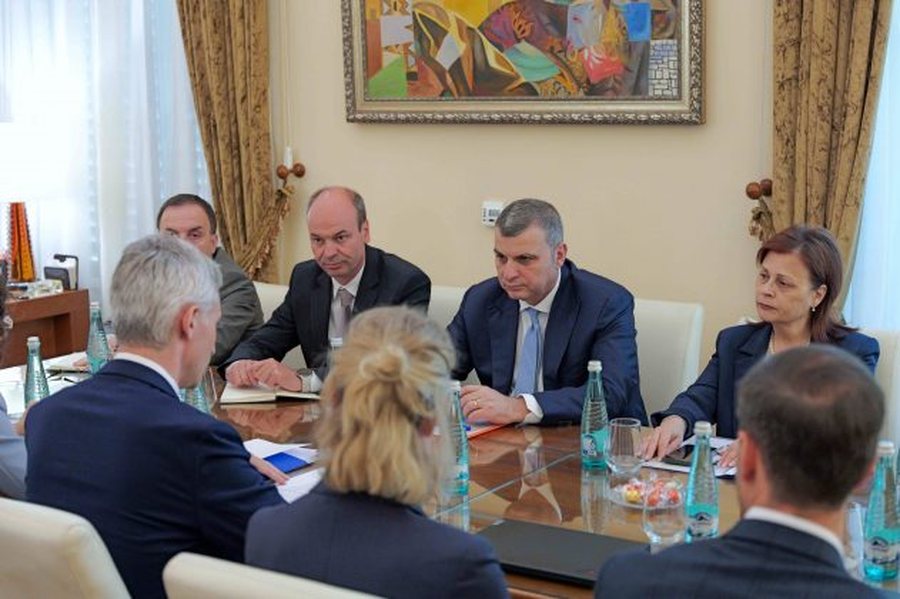
The International Monetary Fund has given a positive assessment of economic developments in Albania, emphasizing that the country continues to maintain stable growth rates and a healthy financial system.
This observation was made during the visit of the IMF mission to Tirana, held from May 28 to June 2, 2026, under the leadership of the Chief of Mission for Albania, Diego Cerdeiro. During their stay in the country, the IMF experts held a series of meetings with representatives of the Bank of Albania and with Governor Gent Sejko.
The discussions focused on the performance of the economy, monetary policy, the stability of the financial system and expectations for future developments. Governor Sejko highlighted that the Albanian economy has continued to perform positively, reflecting increased employment, incomes and improvements in key macroeconomic indicators.
According to the IMF assessment, the Albanian economy has shown the ability to cope with external shocks and remains on a positive development trajectory. However, international experts warned that geopolitical tensions and uncertainties in the global economy require constant vigilance and monitoring.
Regarding inflation, the IMF assessed that the Bank of Albania has followed a balanced and effective approach to monetary policy. The international institution supported the central bank's current strategy, which aims to maintain price stability and return inflation close to the medium-term objective.
The meetings also addressed the issue of the exchange rate and foreign exchange reserves. IMF representatives assessed that the appreciation of the lek was influenced by structural factors and positive developments in the economy, while emphasizing the importance of maintaining the free exchange rate regime as a mechanism that increases economic flexibility.
The Albanian banking sector also received positive assessments, which according to the IMF appears well-capitalized, with high liquidity and a low level of non-performing loans. The international institution also welcomed the Bank of Albania's efforts to strengthen financial supervision and align legislation with European Union standards.
In addition to current developments, discussions also touched on the long-term challenges of the Albanian economy, including demographic changes, the need to increase productivity, and the impact that the European Union integration process is expected to have on the country's economic development.
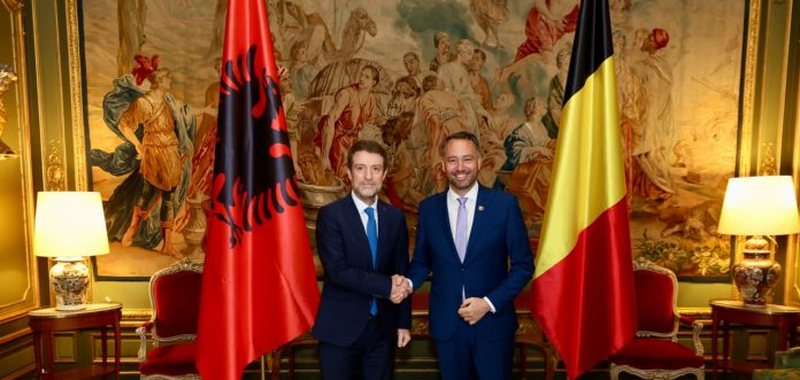
Belgium confirms opening of embassy in Tirana - Prévot: Albania is successfully advancing towards the EU
The Deputy Prime Minister and Minister of Foreign Affairs of Belgium, Maxime Prévot, has praised Albania's progress in the European integration process,......
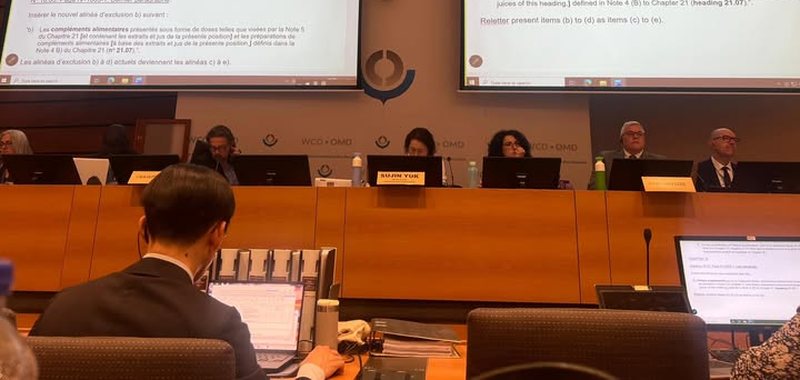
Brussels/ Albanian Customs part of processes for global goods classification standards
Representatives of the Albanian Customs Administration participated in the 67th session of the Subcommittee on the Revision of the Harmonized System, held at......
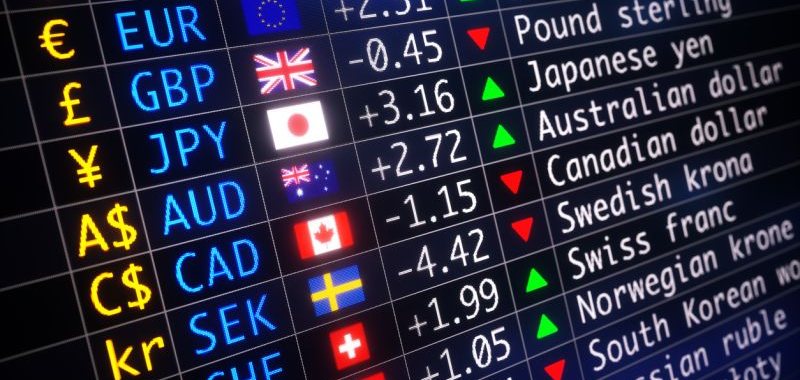
Exchange rate/ Dollar and Pound strengthen. Franc weakens
The US dollar has recovered points, registering an increase in value compared to the decline it suffered the day before, being bought today at 81.5 lek and......
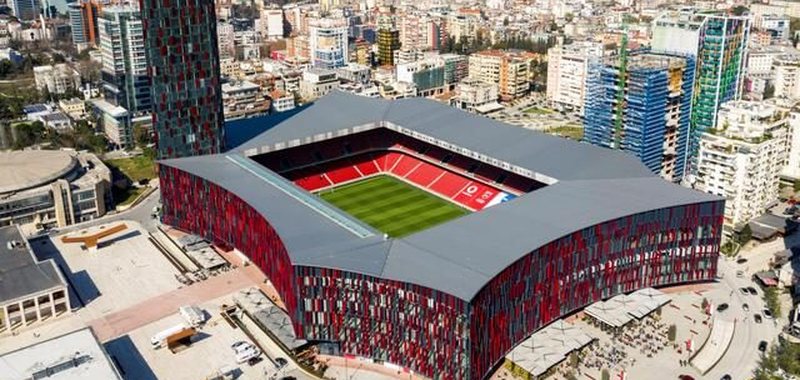
Police measures for the Albania-Israel match: Roadblocks near "Air Albania"!
The State Police announced today the detailed plan of measures to guarantee public order and security before, during and after the friendly football match......
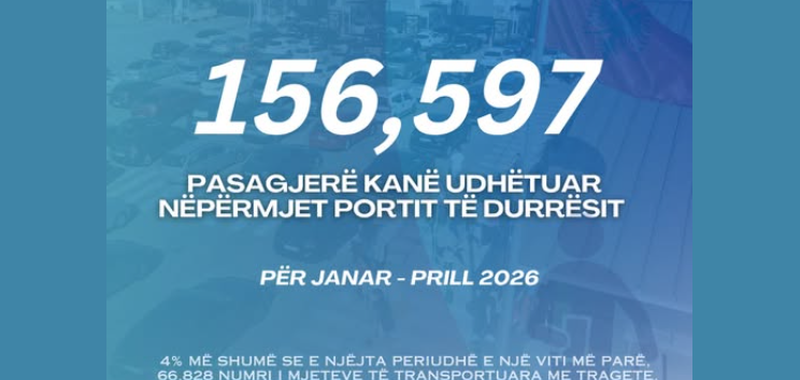
Over 156 thousand passengers in four months - Port of Durres, 4% more passengers than a year ago
Passenger flows through the Port of Durres have continued to increase during the first months of 2026, confirming the role of this port as the main maritime......
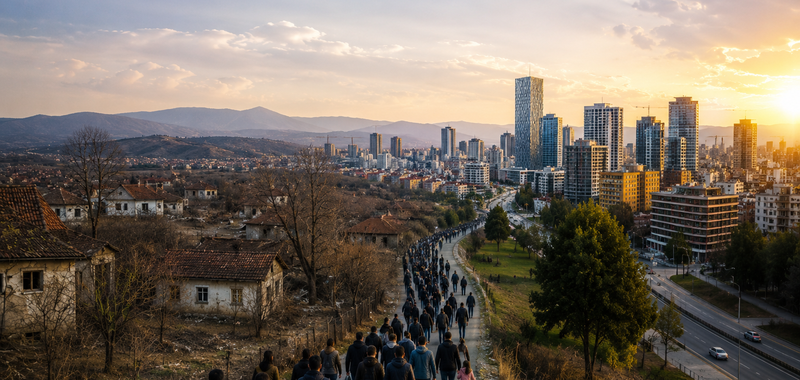
Tirana "gained" over 5 thousand inhabitants in one year/ 11 regions decreased. Kukës and Shkodra lost more inhabitants
Albania's population continues to shrink, but is increasingly concentrated in the capital. In contrast, all other regions have lost residents, confirming not......
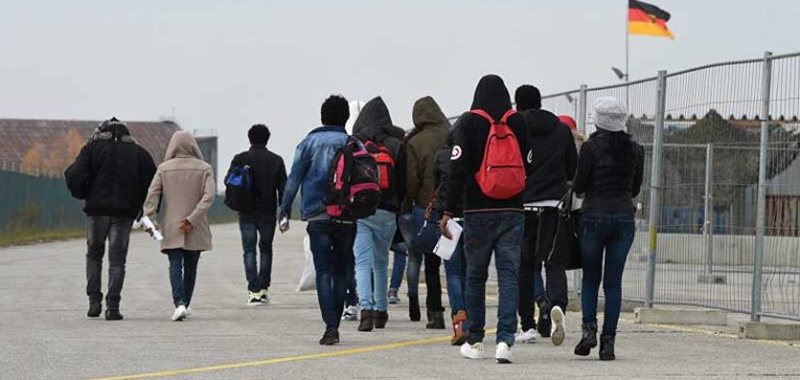
Most retain original citizenship - Survey of newcomers to Germany. Last year, around 189,000 new applications
The majority of people who applied for German citizenship last year kept their original citizenship, according to a survey by the research group Integrimit......

Which countries attract the most foreign investment? - France, the main destination in Europe. Followed by Britain and Germany
Foreign investment is widely seen as a key driver of economic growth, innovation, and job creation. When companies open new locations, build factories, or......