



Bank of Albania with new plan for digital payments, Sejko: Cash remains a challenge for the economy

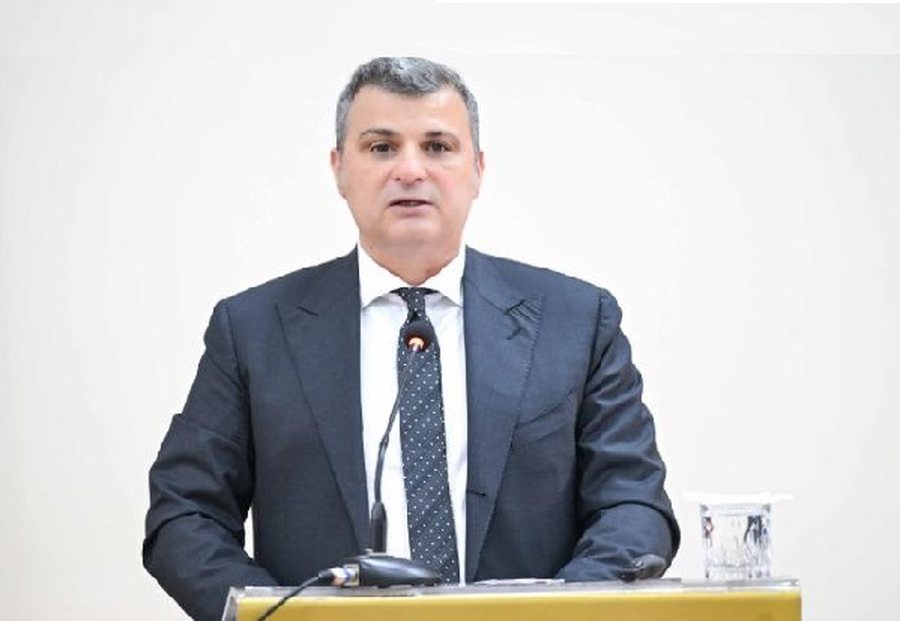
From the reduction in the costs of euro transfers following SEPA membership, to the increase in digital payments and instant payment projects, the Governor of the Bank of Albania, Gent Sejko, said on Friday that the Albanian payment system is increasingly approaching European standards.
In his speech at the workshop "Cashless Albania - An economy without the use of physical money: are we ready?", Sejko said that the Bank of Albania has been a promoter of reforms for the digitalization of payments for years, with the aim of reducing the use of physical money and increasing the efficiency of the financial system.
One of the developments he considered most important was Albania's membership in the Single Euro Payments Area (SEPA).
"The crowning achievement of all legal and infrastructural initiatives is undoubtedly our membership in SEPA. All banks and one non-bank institution are now SEPA members. Rightly, this achievement has been considered historic not only for the Bank of Albania, but also for the entire country. Thanks to SEPA, our citizens and businesses make cross-border payments in Euro with the same ease and speed as citizens of an EU member state. Transfers in Euro with SEPA member countries cost up to 20 times cheaper than a year ago, when we were not yet part of it. International studies show that Albania can save up to 70 million euros in the first year alone from the lower commissions of using SEPA schemes", said the Governor.
Sejko also focused on the reforms that, according to him, have created the basis for this transformation. He recalled the fact that Albania was the first country in the region to include the European PSD2 directive, opening the market to fintech actors and the concept of "open banking". Sejko also highlighted the entry into force of the law on the basic payment account, which allows citizens to open bank accounts without fees or with reduced fees and make electronic payments.
Another development that, according to the Governor, has influenced the modernization of the system is the creation of the AIPS Euro system, which has avoided the need for transfers through correspondent banks, reducing costs and speeding up payments in euros within the country.
According to Sejko, the effects of these reforms are also being reflected in the way Albanians are using payment instruments.
"The number of digital payments per capita is estimated at 29 per year, up from 5 payments 10 years ago. Digital payments continue to grow by about 25% each year and account for the largest share of total payments recorded in our systems. The number of cards in circulation has reached 1.5 million; the POS terminal network is expanding every month, with a greater geographical reach. These data reflect consolidated structural trends and confirm the increase in public trust in electronic payment instruments," he stated.
However, the Governor emphasized that the process of reducing physical money requires coordinated work.
"Payments with physical cash continue to prevail in the small business segment, in the informal economy and in areas with limited banking infrastructure. These gaps require coordinated addressing," said Sejko.
For the coming period, the Bank of Albania will focus on the development of the new payment infrastructure.
"The main infrastructure priority for the coming period is the implementation of the national instant payments platform, built on the Eurosystem's TIPS model. This platform will guarantee the processing of transactions in real time, with availability 24 hours a day, 7 days a week, 365 days a year, eliminating the operational limitations of current payment systems," he said.
In parallel, the Bank of Albania is also preparing legal changes that will give payment institutions and electronic money institutions direct access to national payment systems, a step that, according to the Governor, will create equal conditions for all payment service providers.
At the end of his speech, Sejko emphasized financial education, calling it a necessary condition for the success of reforms in the field of electronic payments.
"Technical infrastructure, no matter how advanced, cannot produce the intended impact if citizens do not have the necessary knowledge and confidence to benefit from it," said the Governor, adding that the Bank of Albania will continue financial education programs in cooperation with educational institutions and civil society organizations.
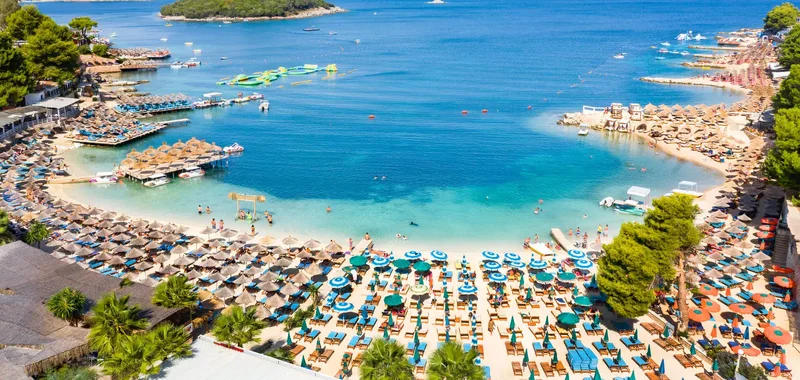
Public beaches, Minister Gonxhja: Different types and different payments according to cost
The Minister of Tourism, Culture and Sports, Blendi Gonxhja, spoke after the Government meeting about public beaches with fees. Gonxhja said that public......
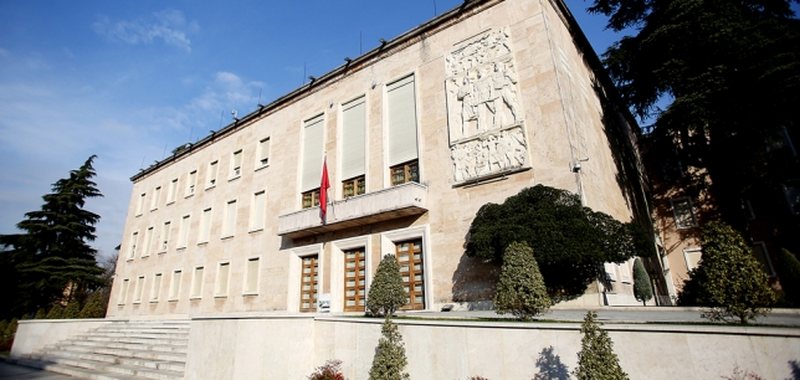
Government Decision: From July 1, 2026, pensions will be indexed by 2.7%, benefiting 900 thousand citizens
According to the decision, urban old-age pensions are increased by approximately 543 lek per month, if we take as a reference the average value of this......
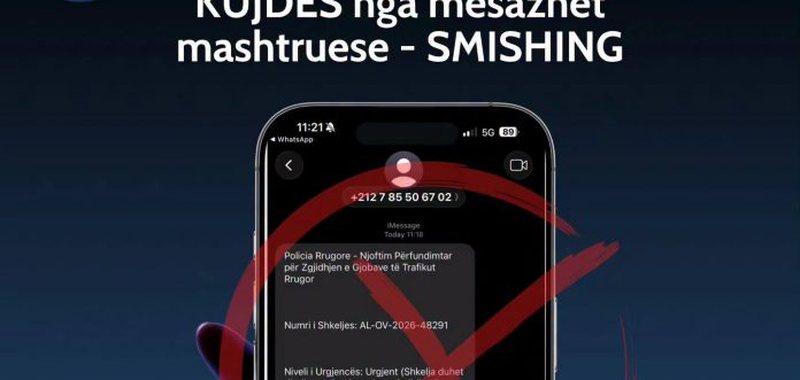
AKSK warns citizens: Beware of misleading messages about traffic fines
The National Cyber Security Authority (AKSK) has warned citizens to be careful of a fraud scheme that is circulating through telephone messages, which are......
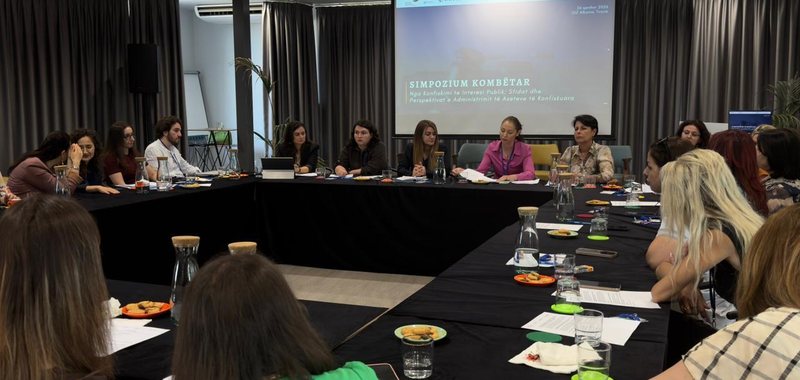
Rental income in 2025 was 221 million lekë - AAPSK: Funds are supporting justice
The Agency for the Administration of Sequestered and Confiscated Assets (AAPSK) participated today in the National Symposium "From Confiscation to Public......

Which regions have the highest employment? Durrës leads in industry, while Tirana remains the center of services
The employment structure in Albania in 2025 shows a clear division between regions in terms of the main sectors of the economy. The data show that some areas......
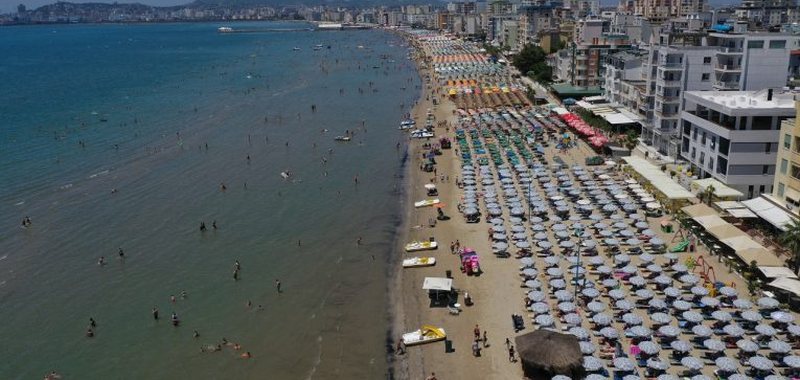
Revitalization of the Durrës coastline - ADF opens 833 million lek tender for the creation of recreational spaces
The Albanian Development Fund has opened the tender for investment in the functional and aesthetic improvement of the Durrës coastline, a project that aims......

Bonus-malus rewards drivers, insurance premiums drop - AMF: Cars without accidents during 2025 benefited from lower rates
The car insurance market has undergone significant changes during the first five months of this year. According to the Financial Supervisory Authority (AMF),......

Applications for agricultural schemes postponed by 10 days - Salla: Interest has increased in recent days. Cooperation with Kosovo for the EU market
While today was the deadline for farmers to apply to benefit from national agricultural schemes for 2026, Minister of Agriculture Andi Salla announced an......