

"Global energy security at risk" - IEA head calls for Hormuz to be opened within weeks

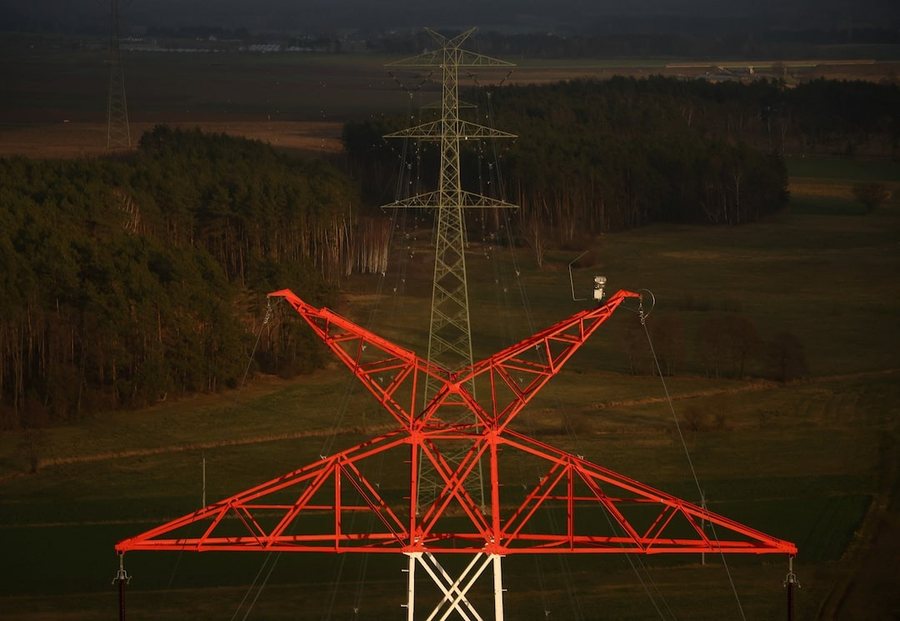
If the US and Iran do not soon increase the oil flowing through the Strait of Hormuz, the world should be concerned about energy security, said the Executive Director of the International Energy Agency, Fatih Birol.
"Oil security is still a critical issue," Birol said at a Council on Foreign Relations event. "We should be concerned, and I am concerned, if the situation does not improve in the coming weeks."
The Strait of Hormuz, a narrow waterway between Iran and Oman that normally carries about a fifth of the world's energy shipments, has been largely blocked since the conflict began on February 28 with US and Israeli attacks on Iran.
Despite the sharp increases in energy prices, Birol said several factors have moderated the increase. These include China's reserves, which amounted to more than 1 billion barrels of oil before the war, oil conservation through the increasing use of electric vehicles and public transport, and an IEA-coordinated release of up to 400 million barrels of oil.
But these arrangements "cannot last forever," said Birol, who added that the Iran war is the worst power outage in history.
Birol said a surge in production from the United States, the world's top oil and gas producer, has helped. "The surge in production from the U.S. is very good... The U.S. increased crude oil production by 1 million, 2 million, but it cannot increase 10 million," barrels per day, he said.
The oil and gas supply crisis has damaged economies around the world, but in an asymmetrical way, he said.
"It's mainly Asia, because Asia used to get 80 to 90% of this energy from the Strait of Hormuz," he said. Japan and South Korea have suffered, but developing countries, including Pakistan, Bangladesh and India, have been hit hardest, he said.
Birol highlighted the potential health risks for people in developing countries, especially women, who have turned to alternative cooking fuels, including dung and wood, with more hazardous emissions, as petroleum products have become unaffordable.
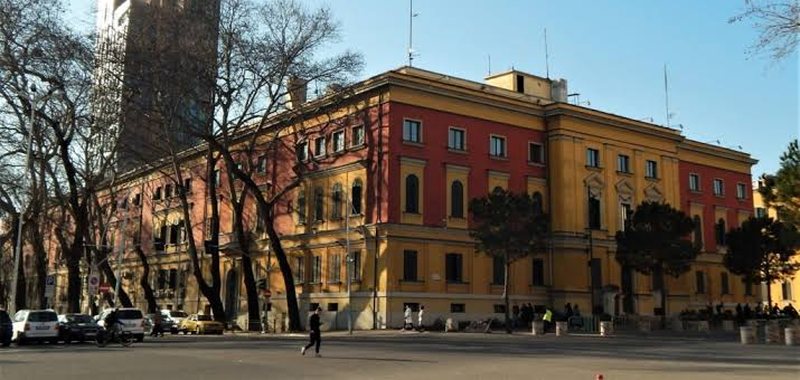
Treguesit fiskalë janar-qershor 2026, MF: Të ardhurat 410.6 miliardë lekë, shpenzimet 357.8 miliardë lekë
Ministria e Financave ka publikuar treguesit paraprakë fiskale të gjashtëmujorit të parë të këtij viti. Sipas shifrave zyrtare të ardhurat totale të......
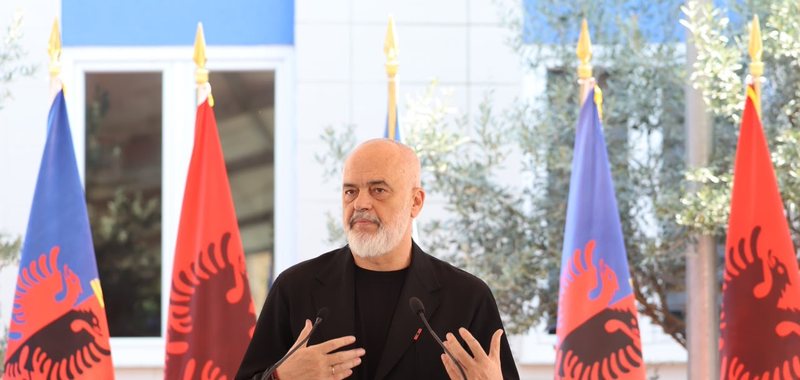
20 schools in the smart city project - Rama: Project that radically transforms public safety in the country
The 20 most frequented schools in Tirana have been equipped with 600 intelligent cameras as part of the Smart City project. Prime Minister Edi Rama, in his......
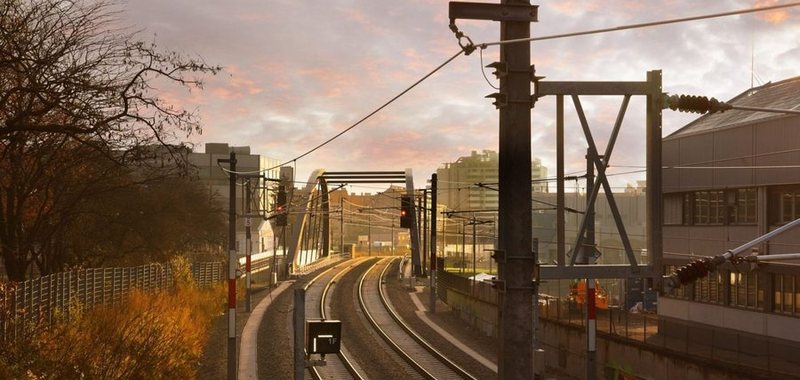
Electrification of the Tirana-Durrës-Rinas railway / Parliament approves the loan of 11,620 million euros from the EBRD
The Parliament has ratified the loan of 11.620 million euros from the European Bank for Reconstruction and Development (EBRD) that will be used for the......
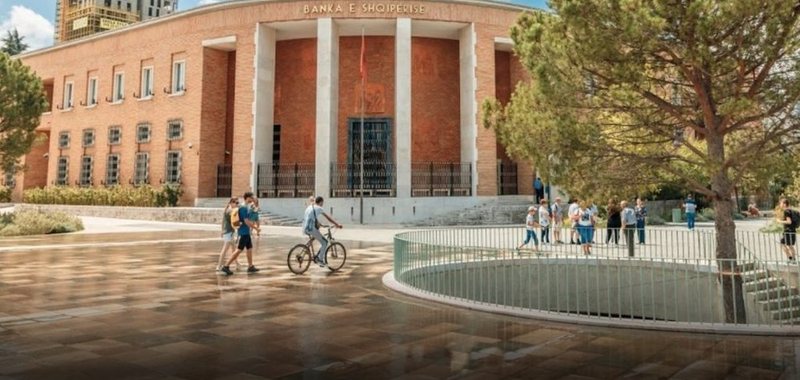
The market of non-bank financial institutions is shrinking - BoA: The absorption of one of the lending entities by a bank changed the performance
The non-bank financial institutions market shrank during 2025, mainly as a result of the transition of one of the largest lending companies to the banking......
14 dormitories towards reconstruction - Shahini: Modern and affordable environments for students
14 buildings of the Student City will undergo reconstruction, with the aim of modernizing the conditions for young people who choose to be accommodated in......
Creditor claims are recognized as financial collateral - The new legal framework aims for more security for transactions, integration with European markets
A new legal framework for payment systems and financial collateral is expected to be created in Albania, with the aim of increasing the security of financial......

Fewer Albanians work for free for family businesses/Young people and women continue to remain more exposed
The percentage of people working unpaid in family businesses has decreased during 2025, indicating a slight improvement in the structure of the labor market......
Albania prepares to adopt the euro as its official currency - Legal changes provide rules for transition to the Eurozone
Albania has officially launched legal preparations for the adoption of the euro currency. The new draft law "On the Bank of Albania", published for......