

Albania prepares to adopt the euro as its official currency - Legal changes provide rules for transition to the Eurozone

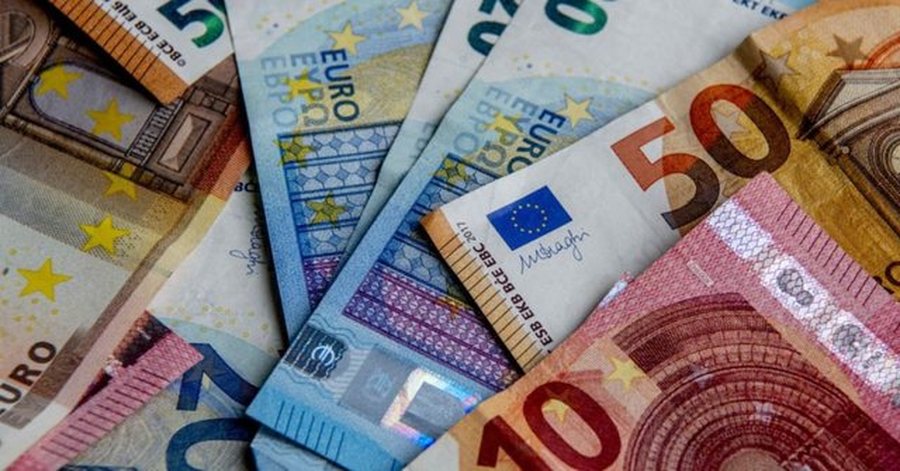
Albania has officially launched legal preparations for the adoption of the euro currency. The new draft law "On the Bank of Albania", published for consultation, includes for the first time a separate chapter that defines how the Albanian central bank will function after the country's entry into the Eurozone.
The draft law provides that, from the day of the introduction of the euro as the currency of the Republic of Albania, the euro will become the country's monetary unit, while the Bank of Albania will be responsible for the issuance and withdrawal of euro banknotes and coins, in accordance with the rules of the European Union and the European Central Bank. At the same time, the institution will also determine the design of the euro coins to be issued by Albania, according to European standards.
However, the inclusion of these provisions does not mean that Albania will adopt the euro in the near future. They will only come into force once the country joins the European Union and meets the economic convergence criteria required for entry into the Eurozone.
The new provisions are part of a broader reform that aims to fully align the legal framework of the Bank of Albania with the European Union acquis and create the institutional basis for its integration into the European System of Central Banks.
In addition to the provisions related to the preparation for the adoption of the euro, the draft law brings a broad reform of the legal framework of the Bank of Albania. One of the main changes is the strengthening of the institutional, functional, financial and personal independence of the central bank, expressly prohibiting it from seeking or receiving instructions from the government or other state institutions.
The draft law sanctions the maintenance of price stability as a primary objective, while giving the Bank of Albania a clearer mandate to maintain financial stability. For the first time, the law includes a special chapter on macroprudential policy, giving the bank broader powers to identify and limit systemic risk in the financial sector.
The reform also expands the Bank's powers in supervising financial institutions, giving it the right to conduct more comprehensive inspections, request additional information and impose administrative measures on supervised entities. At the same time, the legal framework for payment systems, the management of foreign reserves and the collection of monetary and financial statistics is strengthened, in line with European Union standards.
The draft law also provides for changes in the governance of the Bank of Albania, strengthening professional and integrity criteria for its leaders, as well as establishing the Monetary Policy Committee and the Financial Stability Committee as advisory bodies to the Supervisory Council.
Another innovation is the strengthening of the financial independence of the Bank of Albania. The draft law increases the subscribed capital from 2.5 billion to 6 billion lekë, while defining a new recapitalization mechanism in cases where the capital falls below the minimum level. It also maintains the requirement that the general reserve be at least five times larger than the subscribed capital and creates special reserves to cover financial risks.

The trend in the foreign exchange market changes – The dollar weakens. The pound gains points
The US dollar has reversed its positive trend that characterized it since the beginning of this week, recording a decrease in value this morning as it was......

Contract farming for Albanian farmers - Salla: Commercial receipts for production, more access to financing
From the small traditional farm to the modern farm connected to the market through "Contract farming". This is the newest orientation that will be given to......
US, 25% tariff on Brazilian products - The decision comes into effect on July 22, Lula promises a response
The United States has imposed 25% tariffs on most imports from Brazil, effective next week, ending a year-long investigation into what Washington calls......

Whoever receives payments from abroad will pay obligations - Electronic information system is established. New mechanisms for debt collection
The development of electronic commerce and the increased use of cross-border payments have brought new challenges to tax administration, especially in terms......
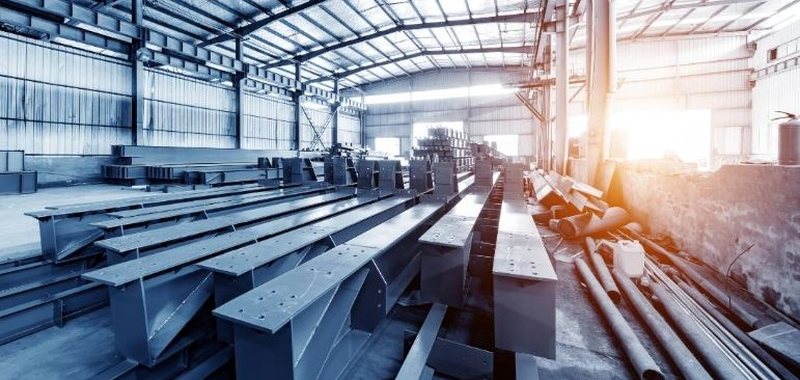
China, restrictions on rare earth metal exports - Western industries worth $6.5 trillion could be at risk
The International Energy Agency warned that full implementation of China's restrictions on rare earth exports could jeopardize $6.5 trillion worth of......
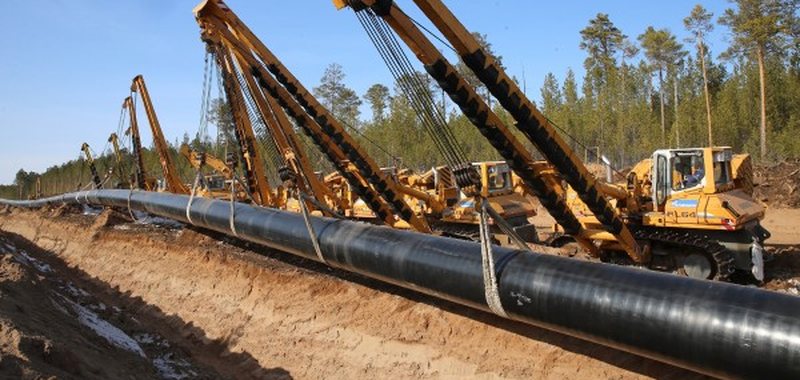
North Macedonia, in the Vertical Gas Corridor - Aiming for secure, diversified and competitive supply
North Macedonia is expected to join the Vertical Gas Corridor, one of the most important European initiatives for diversifying natural gas supplies and......
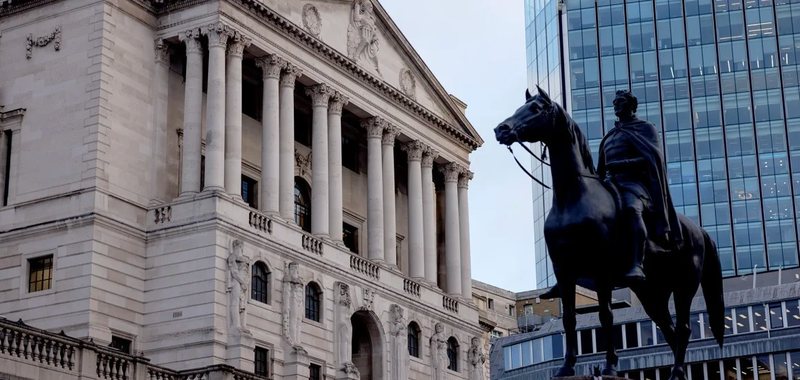
Britain loses 330 billion pounds in public finances - The acute problem that the new Prime Minister, Burnham, must solve
Britain's public finances are losing around £330 billion a year due to weak economic growth, an ageing population and a failing public health system,......
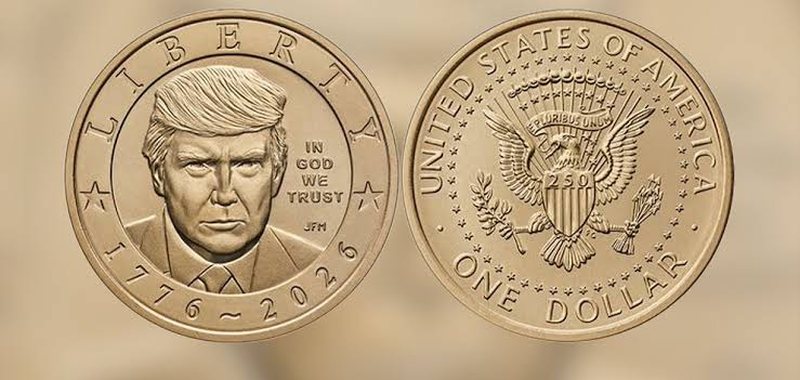
$1 coin with Trump's image - Critics have raised questions about the legality of the design
The U.S. Mint will begin producing $1 coins with President Donald Trump's face on the obverse as part of the nation's 250th anniversary commemoration,......