



“Red Zone” for Oil Market - IEA Chief's Warning. It Could Arrive in July-August

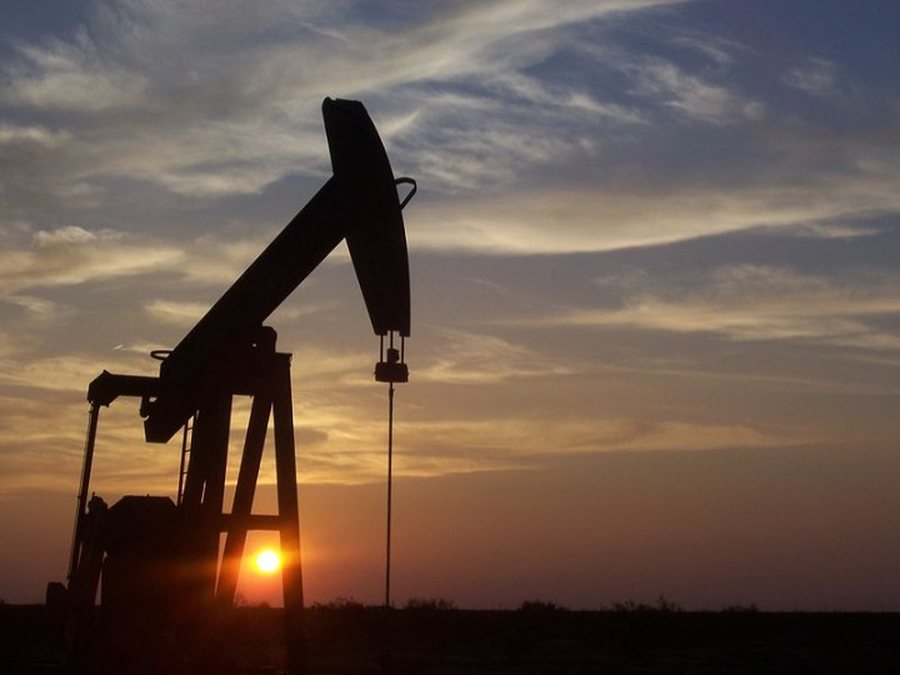
Rising demand for fuel during the summer, combined with a lack of new oil exports from the Middle East and dwindling reserves, could push the oil market into the "red zone" in July-August, the head of the International Energy Agency said.
"We could enter the red zone in July or August if we don't see some improvements," said Fatih Birol, referring to the oil supply crisis caused by the war in Iran. Attacks on energy infrastructure and Iran's closure of the Strait of Hormuz have removed more than 14 million barrels a day of oil supplies from the Middle East, marking the largest oil supply crisis in history.
Birol did not provide details on what exactly a “red zone” would look like. But he said that the oil market’s pre-war surplus, the coordinated release of 400 million barrels of strategic reserves by the IEA, and the combined withdrawals of commercial stocks are not enough to solve the crisis.
"The most important solution is the full and unconditional opening of the Strait of Hormuz," Birol said. The 32-member IEA's coordinated release of strategic reserves, the largest such release in history, is now flowing into the market at a rate of about 2.5 million to 3 million barrels per day, Birol said.
At that rate, the final supplies from the initial 400 million barrels would hit the market by early August, Reuters calculations show, coinciding with Birol’s potential red zone. He added that the IEA is ready to coordinate further releases if necessary.
"It will take a long time to restore oil production and refining capacity in the Middle East to pre-war levels, and the recovery time will vary from country to country," Birol said. "My biggest fear is Iraq," Birol said, as its finances have been severely damaged by reduced oil revenues, and as a lack of storage capacity has forced Iraq to shut down oil fields, which could be difficult to revive.
On the other hand, countries like Saudi Arabia and the United Arab Emirates have access to key finance and technology that could make recovery easier, he added.
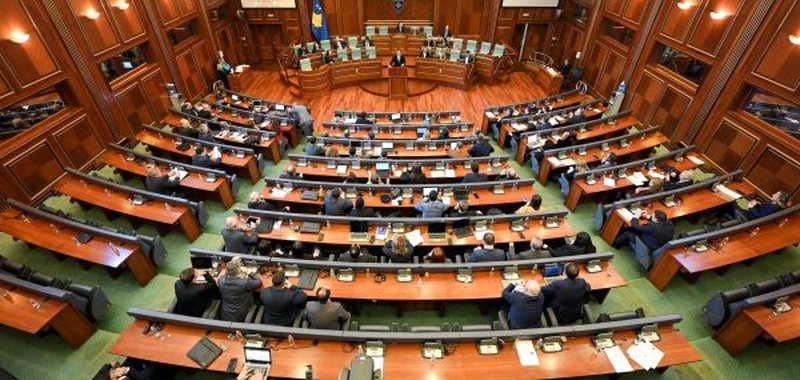
Financial support for the needy - The Government of Kosovo provides 100 euros each to four categories of citizens
The acting government of Kosovo has approved the Inflation Response Package 2.0, which provides one-time financial support of 100 euros for pensioners,......
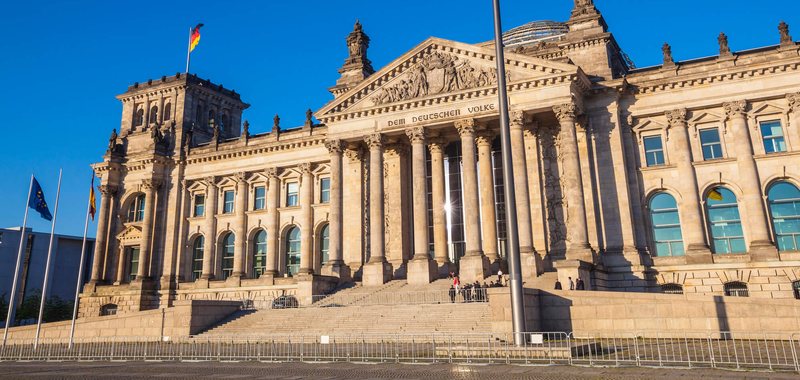
Germany is no longer a strong country - Foreign investors are fleeing due to high taxes and costs
Germany is becoming less and less attractive to foreign investors. France and the United Kingdom are faring better in this regard. The main obstacles that......

Britain cuts VAT for more tourists - Reeves: It will be 5% as part of cost of living support
Britain's Treasury Secretary Rachel Reeves said she would cut VAT to 5% on summer attractions such as theme parks and play centres during school holidays as......
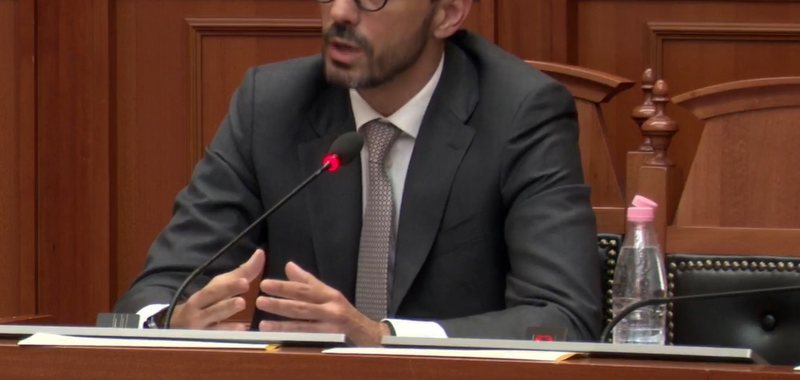
“Gateway to the Alps”, Karakaçi: The project, an integrated corridor connecting the Albanian Alps with the Adriatic coast
The "Gateway to the Alps" project is an integrated corridor connecting the Albanian Alps with the Adriatic coast. This was stated in his speech in the......
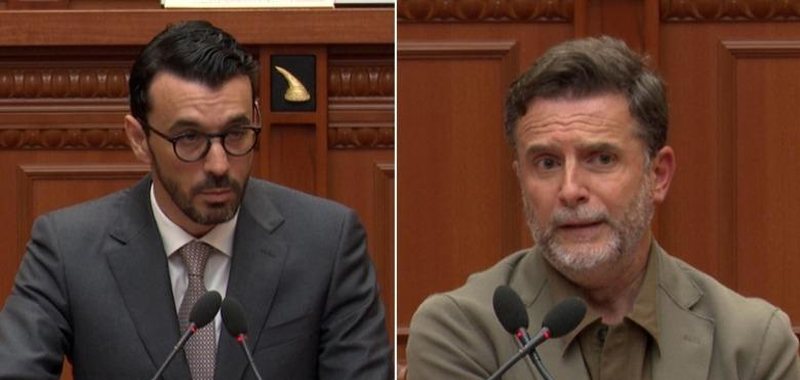
110 million euro project for the sewerage of Greater Tirana/ Braçe: Delays, a great pain for the city. Karakaçi: We have reactivated it
The 110 million euro project funded by the Japanese government to treat Tirana's wastewater is being reactivated. During an interpellation called by MP Erion......
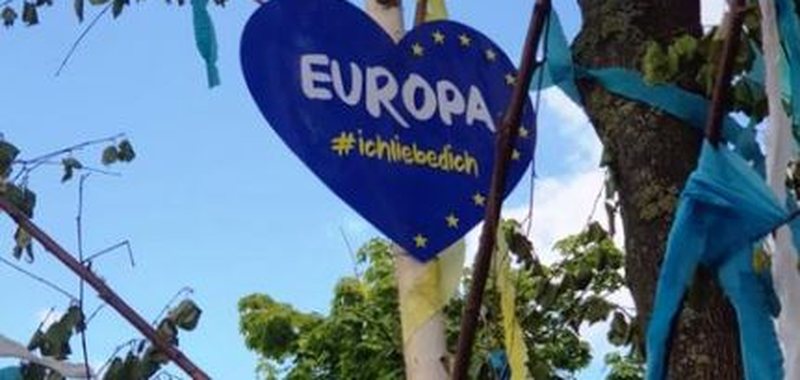
IBAR Report on Albania passes technical phase - Expected to be approved tomorrow by EU ambassadors
The Working Group on Enlargement in the European Union, COELA, has given the green light to the Interim Assessment Report (IBAR) on Albania's progress in the......
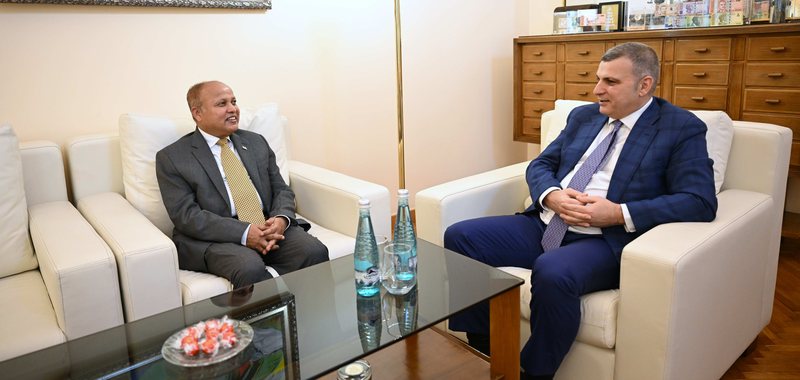
Governor Sejko receives the first ambassador of India - Focus, economic and financial cooperation
The Governor of the Bank of Albania, Gent Sejko, hosted in an official meeting the first Ambassador of India to Albania, Ravindra Prasad Jaiswal, where the......

Challenges of the media sector - AMA gathers the European Platform of Regulatory Networks in Tirana
The European Platform of Regulatory Networks with the participation of 42 countries has started its work in Tirana, under the auspices of the Audiovisual......