



Brexit after 10 years - How the UK economy and politics changed

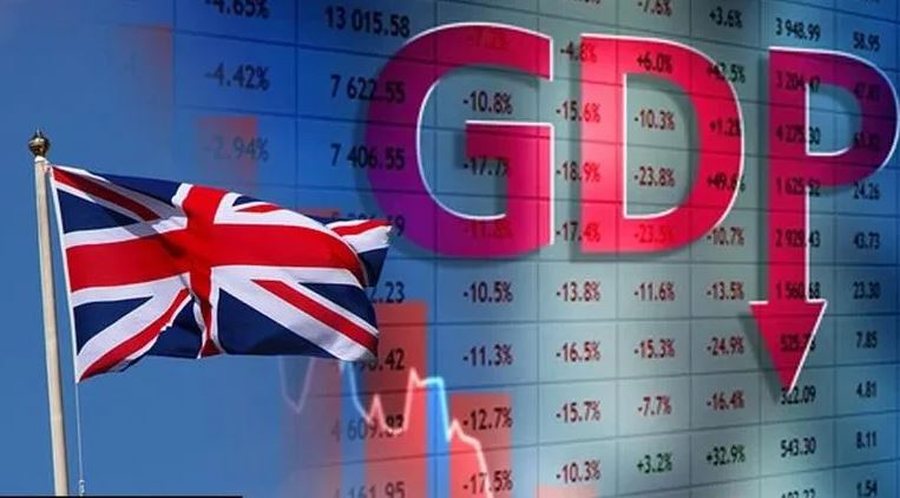
On June 23, 2016, Britons went to the polls to vote on whether to remain in the European Union. A shocking result emerged overnight: the electorate had voted to leave the bloc by 52% to 48%. The pound fell. London's FTSE 100 index fell. Then-Prime Minister David Cameron, who had called the referendum and led the Remain campaign, resigned.
The UK has been negotiating a deal since then, after Cameron's successor, Theresa May, failed to pass a proposal three times before resigning. Brexit was finally delivered by Prime Minister Boris Johnson in 2020. The pro-Brexit campaign promised to "take back control" of immigration, free up more money for the country's health service and forge trade deals with the rest of the world.
The UK economy has largely failed to experience growth after Brexit, having severed ties with its largest trading partner. While shocks such as the coronavirus pandemic in 2020 and Russia's invasion of Ukraine in 2022 hit global growth, it is estimated that by 2025, Brexit had reduced UK GDP by 6-8%.
The Vote Leave campaign pledged to take back control of the UK’s migration policy, but its departure from the bloc had unintended consequences. The UK now has net migration to EU countries, but migration from non-EU countries has increased due to a lack of job opportunities, a surge in international students and expanded emergency visa schemes in countries such as Ukraine. On the other hand, fewer Europeans are moving to the UK and net migration from the bloc has reversed.
The EU remains the UK's largest trading partner, with over €800 billion in imports and exports. In 2025, the EU accounted for 41% of UK exports and 50% of UK imports. A new trade agreement between the two sides was signed on 1 January 2021, preventing either side from imposing tariffs or quotas.
When Cameron resigned the morning after the Brexit vote, he had been prime minister for six years. His predecessor, Gordon Brown, had been in office for three years. Before Brown, Tony Blair had been prime minister for a decade. Since the referendum, no prime minister has lasted more than three years, and one lasted just 49 days.
Prime Minister Keir Starmer sought to rebuild the country's ties with Europe but resigned on Monday as he faced a leadership challenge from his rival Andy Burnham, paving the way for the seventh prime minister in a decade.
Strong energy competition from Asia - Europe may face higher natural gas prices
Europe is facing increasing competition from Asia for limited natural gas supplies as national reserves dwindle and demand surges in the summer. Analysts......

What will be the challenge for businesses in the EU? Bajraktari: The European market requires consistent quality, not just certificates
Membership in the European Union will open Albanian businesses access to a market with hundreds of millions of consumers, but will also place them in the......
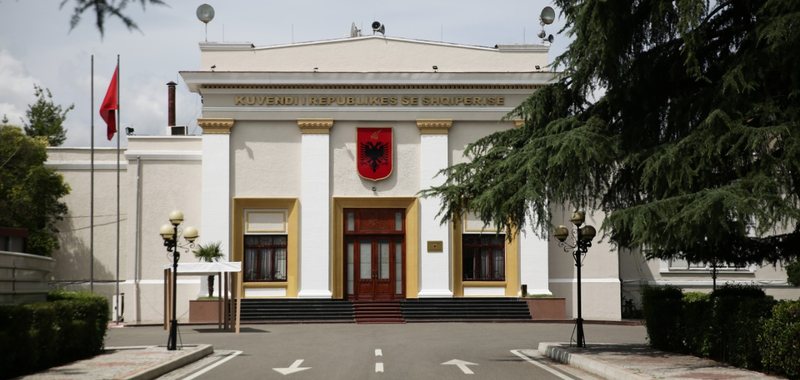
Parliament, 11 recommendations for the BoA - Focus on adaptation to the European acquis and cybersecurity
The Parliament has made 11 recommendations to the Bank of Albania, to be implemented during 2026. The Chairwoman of the Parliamentary Committee on Economy......
How much does technology cost in Albania? Eurostat index shows a market with lower costs than the European average
According to Eurostat data for 2025, the price level for the Software category in Albania is lower than the European Union average. The index recorded for......
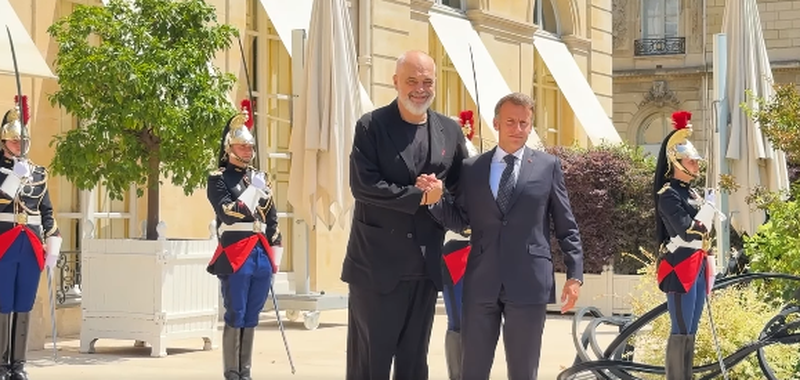
Rama in Paris at Macron's invitation, focusing on strategic partnership and European integration
Prime Minister Edi Rama is conducting an official visit to Paris today, where he will be received by the President of France, Emmanuel Macron, at the Élysée......
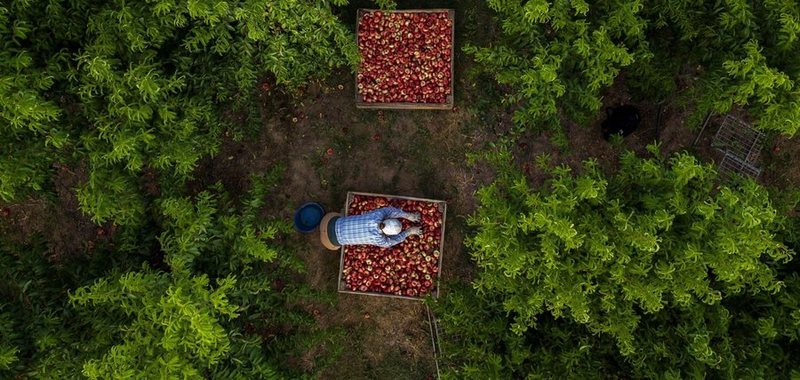
Over 32 thousand applications for agricultural funds - Deadline until June 26, 52 million euros available
Nearly 32,300 farmers have applied so far to benefit from agricultural support schemes for the year 2026, for which the total fund made available is 52......
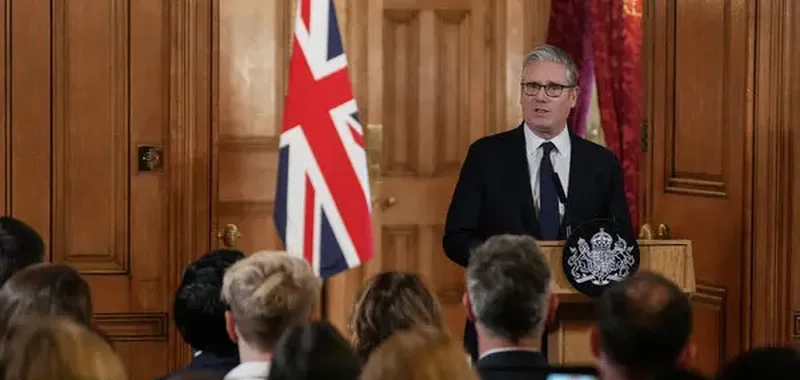
British Prime Minister Keir Starmer resigns - He also leaves the leadership of the Labour Party
Keir Starmer has resigned as British Prime Minister and leader of the Labour Party. A new prime minister will take office until parliament returns in......
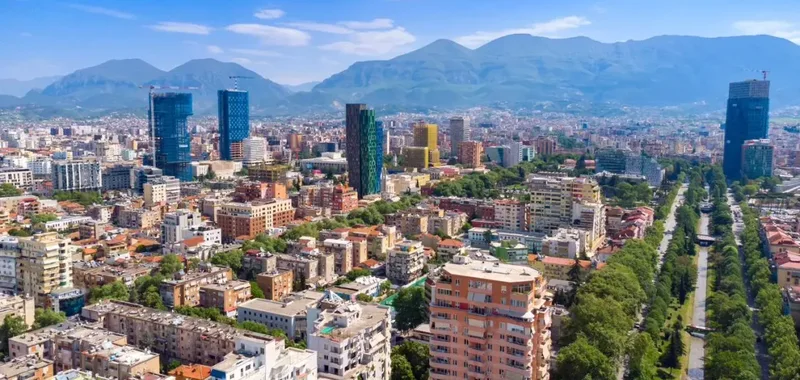
Tender for the northern entrance to Tirana is ready - 138.6 million lek for the direct connection of the northern highways with the new ring road
The Albanian Road Authority has prepared the tender for the study and design of the northern entrance to Tirana, a project that aims to create a direct......