



Kosovo keeps pace with Albanian exports/ Strong growth also with North Macedonia in the first three months of the year


The first quarter of 2026 has brought a mixed picture for Albania's trade exchanges with countries in the region, with a significant increase in exports to some key partners, while a slight contraction has been recorded in some other markets.
During the period January-March 2026, Albanian exports to Kosovo reached around 9.5 billion lek, marking an annual increase of 13.3%, confirming this market as the most important partner in the region and one of the main pillars of Albanian exports. Strong growth was also recorded towards North Macedonia, where exports expanded by 25%, reaching around 3.2 billion lek, while Montenegro also recorded a more moderate growth of 9.6%.
In contrast, trade with Serbia showed signs of weakening. Exports to this country fell by around 3.8%, reflecting a slowdown in demand in this market. Meanwhile, exports to Bosnia and Herzegovina recorded a more limited increase of 5.6%, remaining at relatively lower levels compared to other regional partners.
Regarding the flow of goods to Albania, imports present a more diverse picture. The strongest increase in imports was recorded by Bosnia and Herzegovina, with an expansion of 32.2%, while imports from Kosovo increased by 11.7%, reflecting the increase in trade exchanges between the two countries.
In contrast, imports from several other regional partners have declined. Albania has purchased fewer goods from Montenegro, where imports fell by 39%, as well as from North Macedonia and Serbia, with decreases of 8.5% and 6.9% respectively, indicating a partial shift in supply sources.
Overall, data for the first quarter show a strengthening of trade ties with several key markets in the region, particularly with Kosovo and North Macedonia, while trade relations with several other partners remain more volatile and affected by fluctuations in demand in the respective markets.
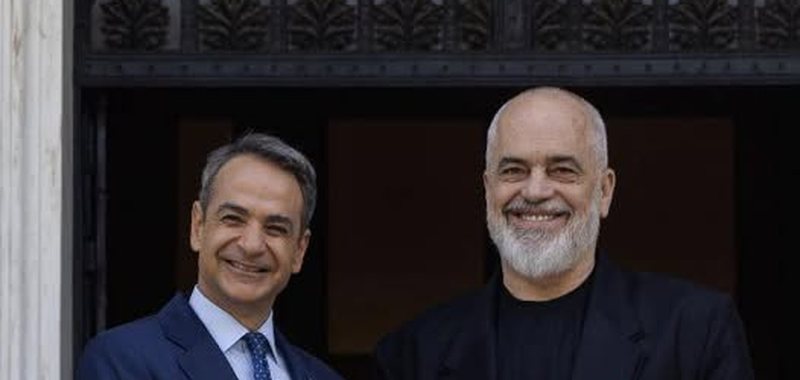
Prime Minister Rama in Athens, meeting with Mitsotakis - "Strategic partnership agreement with Greece this year"
Prime Minister Edi Rama is on a visit to Greece and was received by his Greek counterpart Mitsotakis this morning. In a post shared on social media, Rama......

Women dominate the civil service/ Civil servants over 40 years old on average, the oldest in local administration
Women continue to dominate the civil service in Albania, constituting the majority of employees in all categories of institutions, with the highest......

Transparency Board lowers oil price, diesel drops to 202 lek/liter
The Transparency Board has decided this Tuesday, April 22, 2026, to reduce the ceiling prices for petroleum by-products in the country. According to the new......
Taxes, 10 million euros additional from salaries and rents - 3 months/ The budget collected 218 million euros, a record figure in 10 years
In the first three months of the year, personal income tax revenues have increased significantly, reflecting significant changes in the labor market, wage......

Record level of migration to the EU, 64.2 million in 2025 - Nearly 8,000 people died on migration routes last year
The number of immigrants residing in the European Union rose to a record high of 64.2 million in 2025, about 2.1 million more than a year earlier, according......

Italy, Meloni bonuses for the repatriation of immigrants - 1.2 million euros are given to lawyers who carry out the procedures
Italian Prime Minister Giorgia Meloni said Tuesday that her government was prepared to make changes to a controversial plan that offered financial rewards to......
Europe prepares response to energy crisis - Tax rules to favor oil energy are curbed
The European Commission will present plans on Wednesday to cut electricity taxes and coordinate the increase in gas storage, aiming to mitigate the......
Russia to stop Kazakh oil to Germany - Druzhba pipeline shutdown starting May 1
Russia will stop oil exports from Kazakhstan to Germany via the Druzhba pipeline starting May 1, sources said. Reuters. According to them, for this change,......