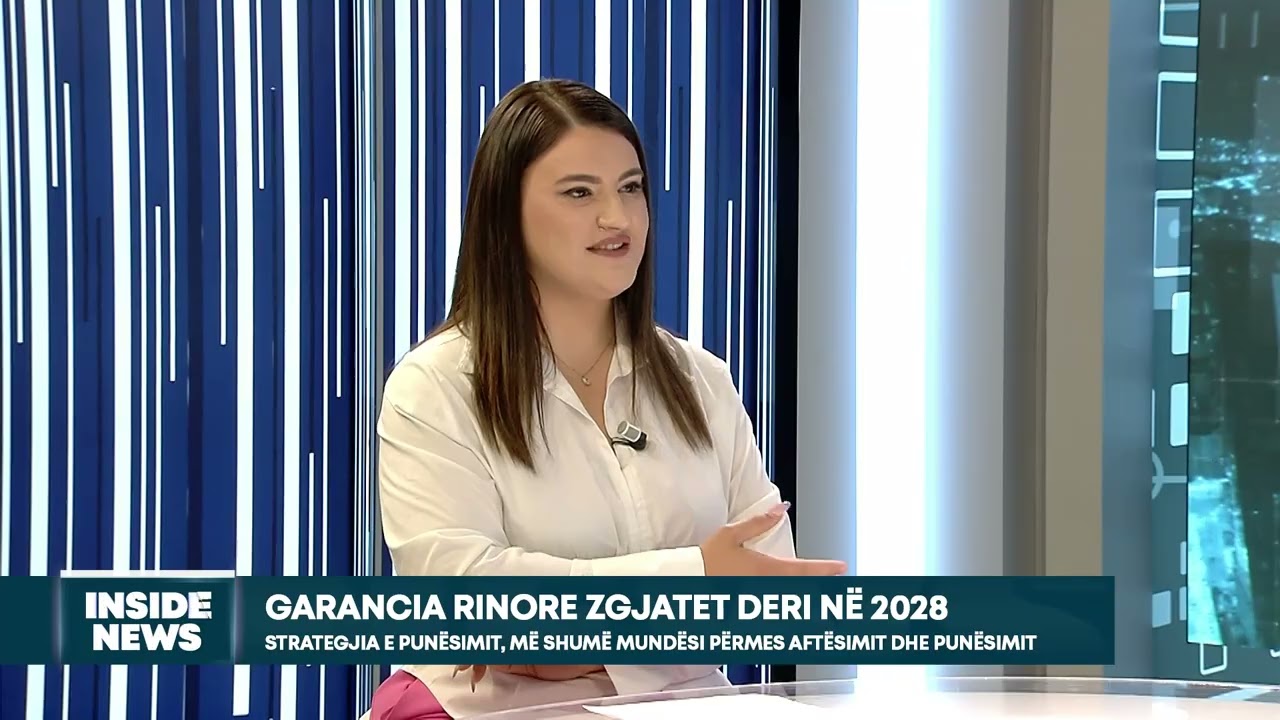




“Young people work, but are not valued” - ALTAX Analysis: Seasonal jobs and low wages


The Albanian economy is creating more jobs than a decade ago, but many of them remain precarious, seasonal, and with wages that do not keep pace with the cost of living.
According to INSTAT data, overall unemployment has dropped to around 8.1-8.3%, while unemployment among young people aged 15-29 remains around 15%, the lowest level of the last decade, but much higher than the national average.
But according to the analysis carried out by ALTAX, and although the panorama is positive on the surface, young people today face a market that requires experience from the outset, digital skills, all foreign and high professional flexibility. For many young people, entering the job market has become a prolonged transition process between internships, temporary contracts and jobs with high rotation.
According to the analysis, this situation creates a new social phenomenon, where young people are statistically employed but economically remain insecure. The increase in the cost of living in major cities, especially in Tirana, has meant that many young people, even though they work, are unable to save, buy a home or create long-term stability.
According to the analysis, the youth employment rate is around 46%, while almost half of this age group remains outside the active labor market, mainly due to education and lack of real opportunities.
The analysis concludes that one of the biggest weaknesses of the Albanian economy remains the link between education and the labor market. This is because education continues to produce more diplomas than practical skills.
On the other hand, informality is considered the phenomenon that most affects young people. According to the analysis, even though the formalization of the economy has increased, informal work remains very widespread among young people. Tourism, trade, services and construction continue to have insecure contracts, seasonal employment and outside insurance schemes, creating a lack of long-term stability.
On the other hand, the low salaries offered to young people at the start of their careers, not covering living costs, are considered a push for this category towards emigration. Emigration continues to remain the most rational choice for many young people not only for higher salaries, but for more security, meritocracy and development opportunities.
The analysis concludes that to retain the young workforce in Albania, as an added value for the economy and the labor market, a series of measures related to education, economic security, informality, housing, and ultimately restoring trust through meritocracy, functional institutions, and economic security are needed.

Over half of the employed in Albania, "manual labor"/ Agriculture, industry and construction hold the main weight
Data from INSTAT show that around 57% of employees in Albania are engaged in sectors that are mainly related to physical labor, or as it is otherwise known,......

OBP publishes the first catalog for medical materials - Unified standards and prices for hospitals
The Centralized Purchasing Operator (OBP) jsc has published the first catalog for "Purchase of general and surgical medical supplies for hospital needs",......
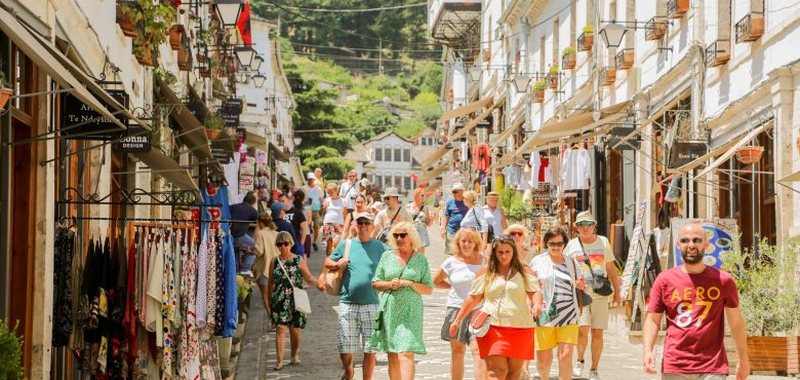
What could summer vacations be like for Europeans? - Nearby destinations are targeted for fear of rising airfares
Europeans may choose closer destinations rather than traveling to more distant places in Asia and the Middle East for their summer vacations, an analyst......
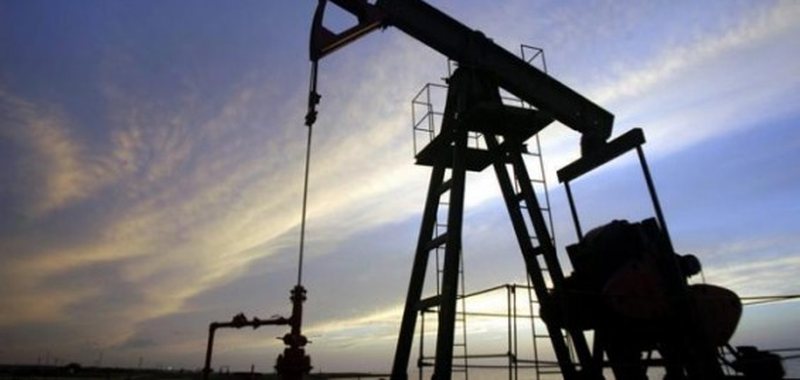
Syria, dependent on Russian oil - Shipments have increased by 75%, to about 60,000 barrels per day this year
Russia has emerged as Syria's main oil supplier, despite the new government's ties to the West and distrust of Moscow for its military support for ousted......
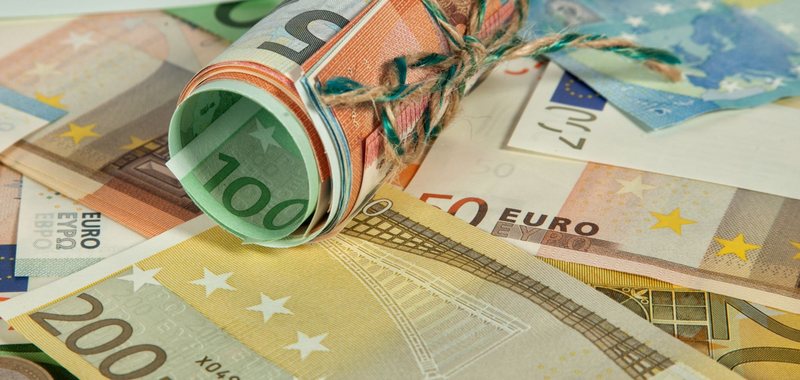
The golden days of the euro are over - Since April 1, 1 euro has been equal to 95 lek. The lek, stronger than ever
The exchange rate continues to favor the lek, while the euro has bottomed out. Since the beginning of the year, the European currency has only depreciated......

Sa i fortë është besimi ekonomik në Shqipëri në 2026? Indeksi i Eurostat tregon luhatje edhe pse renditemi mbi mesataren europiane
Besimi ekonomik në Shqipëri gjatë muajve të parë të vitit 2026 paraqitet i qëndrueshëm, megjithëse me disa luhatje të natyrshme që reflektojnë zhvillimet......
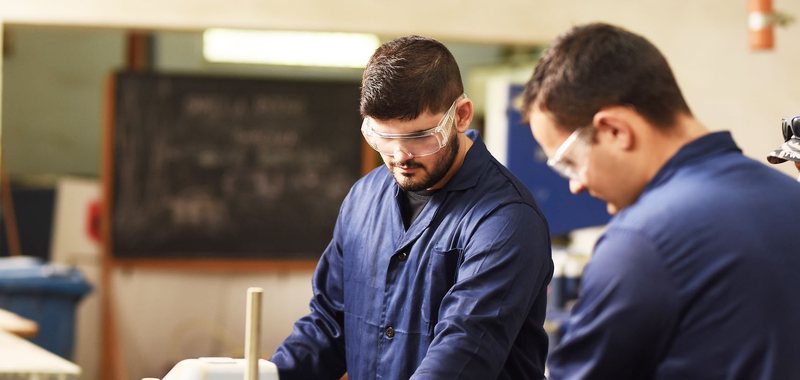
Inclusion in vocational training programs increases - AKPA: January-March, 24% more participants than a year ago
The National Employment and Skills Agency has published statistics on vocational training for the period January-March 2026, highlighting an increase in......
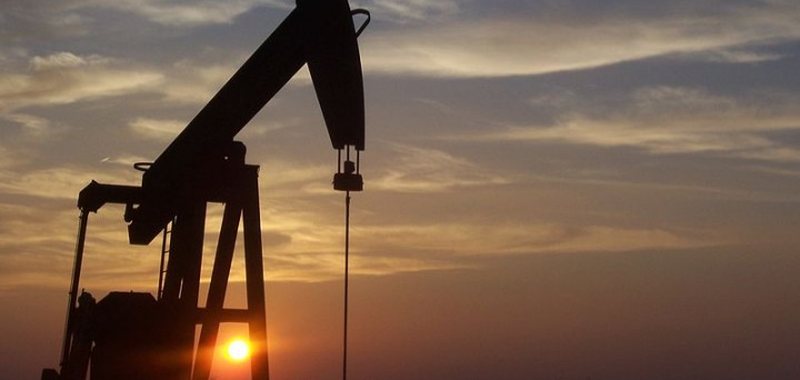
Serbia releases additional oil reserves - Extends fuel export ban
The Serbian government has decided to release additional quantities of oil from reserves and further extend the ban on fuel exports to protect the market......