



6,000 lek ceiling for roaming, no more "hidden" fees - AKEP: New regulation aims to protect users from uncontrolled costs


The new draft regulation for consumer protection in electronic communications is expected to bring concrete changes to the daily lives of telephone and internet users in Albania.
The document, issued for public consultation by AKEP, aims for more transparency and protection for subscribers. One of the main changes is the obligation for companies to provide full information before concluding a contract. This means that, for example, a citizen who decides to buy an internet package will no longer be faced with the “small print” that often reveals additional costs only after the contract has been signed.
The regulation also directly affects monthly bills. In practice, if a user has a limited internet package and consumes it, the operator must notify him first by SMS when he reaches 80% of usage and then at 100%. If he continues to use the internet, the service will not automatically continue at higher rates without his approval. So, there will be no more surprises on the bill at the end of the month.
Concrete changes are also foreseen for roaming. For example, if a citizen travels abroad and forgets to deactivate mobile data, expenses cannot increase uncontrollably, as a financial limit of around 6,000 lek is set. After this limit, the service is interrupted or requires confirmation from the user.
Another innovation is related to the duration of contracts. Currently, many subscribers are tied to long-term contracts that are difficult to terminate. Under the new regulation, contracts cannot last longer than 24 months and a 12-month alternative must also be offered. This means that a user who is not satisfied with the service after a year may have more flexibility to change operator.
Even in cases of service interruption for non-payment, citizens will have more protection. Operators should send advance notices and not immediately interrupt service without warning.
The regulation also brings changes in emergency situations. For example, even if a user has run out of credit or their service has been blocked, they will be able to call 112 for free. Furthermore, the system will automatically send their location, helping emergency services respond faster.
The focus is also on service quality. If a user pays for a certain internet speed and does not receive it, the operator may be forced to provide compensation.
The draft regulation is still in the public consultation phase, but if approved, it is expected to significantly change the relationship between citizens and electronic communications companies, making it fairer and more transparent.

Donation and inheritance of properties, tax halved - Albanians pay less in 2025, new law eases obligations
The tax paid by citizens for donating real estate was halved last year. According to official data from the General Directorate of Taxes, in 2025, 16.2......

Israel's air transport in crisis - Losses this year could reach $200-240 million
Israel’s air travel sector is in crisis. Despite a fragile ceasefire with Iran that went into effect on April 8, fighting against Hezbollah continues, with......

The month starts positively for foreign currencies – Dollar, Euro, Pound and Franc strengthen!
The US dollar has started this week and month positively, registering a slight increase this morning compared to yesterday, being bought today at 80.8 lek......
start
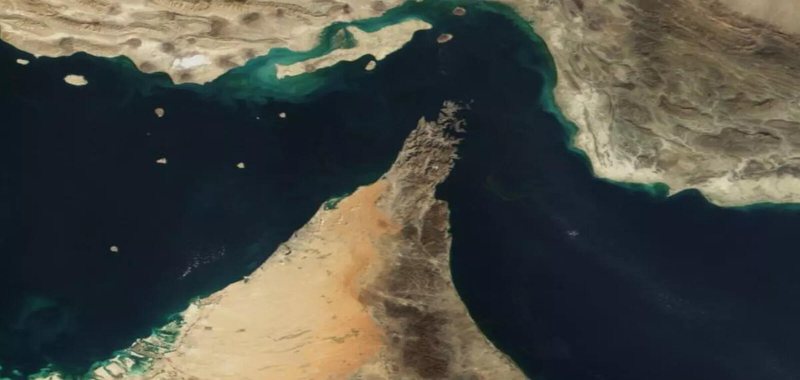
Donald Trump opened a new chapter in the Middle East conflict by announcing “Operation Freedom” for the Strait of Hormuz. He said the US would escort......
OPEC+ to increase oil production - 188,000 additional barrels, but decision remains on paper until Hormuz opens
OPEC+ agreed to a modest increase in oil production for June, which will remain largely on paper as long as the Iran war continues to disrupt Gulf oil......
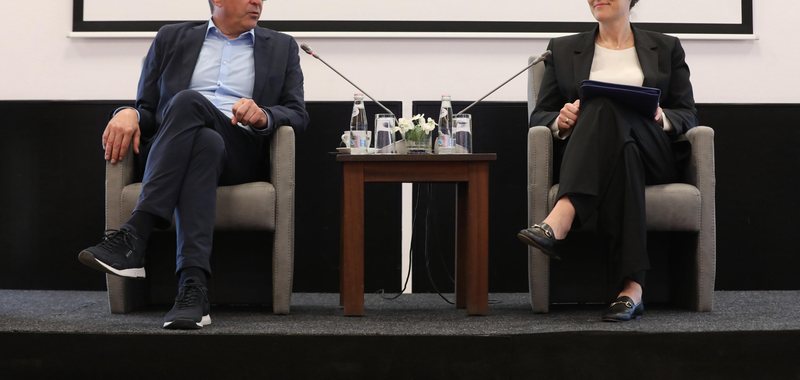
Ibrahimaj: Albania, a business location with growing potential for German companies
In the framework of the Konrad Adenauer Foundation and BBUG Alumni Conference on the topic “Albania as a business location – Perspectives for German......

Public administration, more attractive in 2025 - Number increases, 20 applications for one job position
The Department of Public Administration has published its annual report for 2025, which highlights an increase in interest in employment in public......
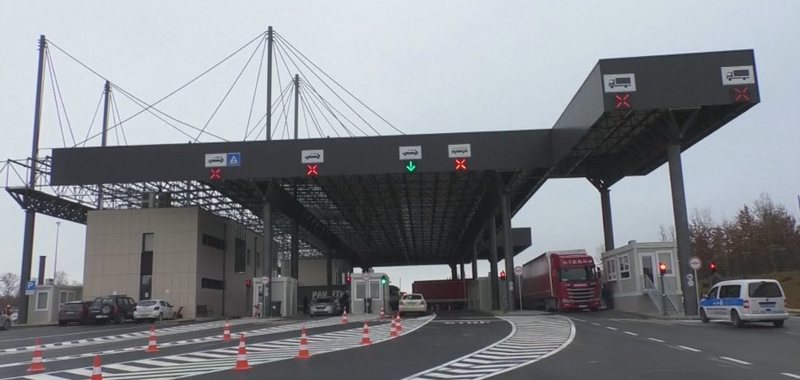
Movement without controls begins on the Kosovo-Albania border / Millions of citizens benefit from simplified circulation
From May 1 to September 30, there will be no controls at the border between Albania and Kosovo, allowing citizens of both countries to move faster and more......