



EU, less imported fossil fuels - Figures since the start of the war in the Middle East

The renewable energy boom in Europe has helped to insulate the continent from rising oil and gas prices - which remain volatile due to Iran's control of the Strait of Hormuz - with solar power alone saving Europe €12.8 billion since June 2.
However, the EU still spends billions of euros on fossil fuel imports - and has increased its dependence on its two largest suppliers of liquefied natural gas (LNG), the US and Russia.
A new analysis from the Institute for Energy Economics and Financial Analysis (IEEFA) shows that LNG imports into the EU have fallen by 1.2 percent since March and continue to fall.
In the UK, LNG imports fell by 20 percent over the same period. Overall, this represents a three percent decrease.
While many EU members have responded to the recent fossil fuel crisis by limiting LNG imports, others have deepened their exposure by increasing them. Germany’s LNG imports rose by 72 percent compared to the same period last year from March to May 2026, the most significant increase among all EU countries. Italy – which is at risk of missing its 2030 emissions target – and Belgium have also increased LNG imports over the past year.
The IEEFA analysis also found that the US and Russia's dependence on LNG continued during the first 100 days of the Middle East war. Following the closure of the Strait of Hormuz, Qatar's liquefied gas imports from Europe have declined.
Rising fossil fuel import costs, coupled with more than 210 emergency measures adopted by member states, have left the EU with a €60 billion energy bill from the war. Home-grown renewables have often been touted as the best way to reduce the EU’s dependence on fossil fuels. Last year, clean energy saved the EU €51 billion by cutting polluting imports, with solar and wind power leading the way.
Greece, 15% tax on cryptocurrency profits? - The goal is to include them in the country's tax code
Greece is preparing legislation to impose a 15% capital gains tax on cryptocurrencies, two government officials with knowledge of the matter told Reuters.......
Pay transparency in the EU - Which countries are ready for the new rules?
In much of Europe, workers still have limited information about what their jobs pay and how their wages compare to others doing similar work. The EU's Pay......
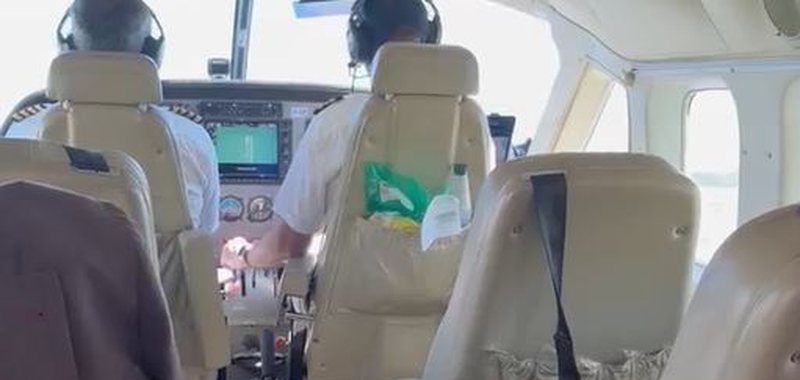
Gonxha travels by seaplane from Rinas to Pogradec: Lakes and the coast can turn into air tourism stations
The Minister of Economy, Culture and Innovation, Blendi Gonxhja, made a symbolic seaplane flight from Rinas International Airport to Lake Ohrid, as part of......

Albanians are reading more news online - Nordic countries dominate the rankings, Albania registers a slight increase in readers
The Internet is increasingly consolidated as the main source of information in the world and Albania. The latest data from Eurostat for 2025 show that 63.87%......
Eurozone economy in difficulty - GDP in the first quarter decreased by 0.2%
Seasonally adjusted Gross Domestic Product (GDP) for the first quarter decreased by 0.2 percent in the Eurozone and by 0.1 percent in the European Union......

Albanian industry towards a new growth model - 2026–2030 Plan for industrial transformation
Albanian industry is expected to take on a more important role in the country's economy during the years 2026–2030. The National Industrial Strategy aims to......
Businesses generated 1.4 billion euros more in turnover - Services, tourism and trade significantly increase enterprise income
Businesses in Albania have had positive activity during the first four months of the year. Official data from the Ministry of Finance shows that business......
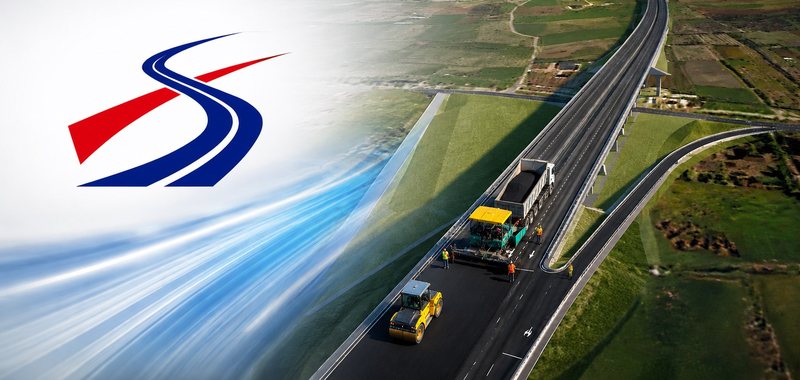
Who will build the Milot–Balldren highway? - Sallillari is announced the winner of the competition for the strategic infrastructure project
The Salillari Group has been announced the winner of the procedure for the construction of the Milot-Balldren highway, one of the most important segments of......