



From Hormuz to supermarkets - How is the global food chain being jeopardized?

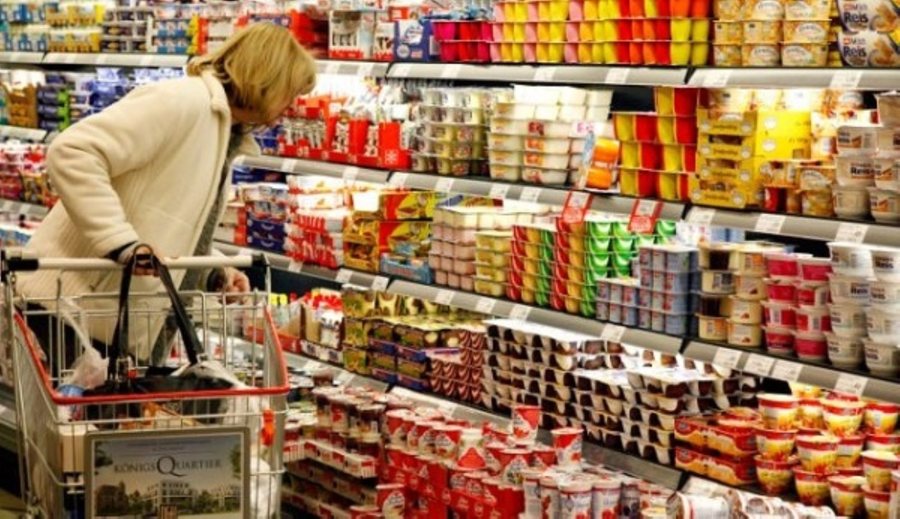
The latest warning from the Food and Agriculture Organization of the United Nations (FAO) that the world has only six to twelve months to avoid a new global food crisis is not just an economic alarm. It represents a serious signal that geopolitical tensions in the Middle East are endangering not only energy markets but also global food stability.
Modern food crises are not caused solely by a lack of agricultural production. In the global economy, agriculture is closely linked to energy, transport and the chemical industry. Rising oil and gas prices automatically mean increased costs for transportation, the production of artificial fertilizers and the operation of agricultural machinery.
According to the FAO, the most dangerous scenario would unfold in several stages. First, energy prices would rise, then fertilizer and seed prices, leading to a decline in agricultural yields. This would be followed by a rise in agricultural product prices and finally a new wave of global food inflation.
This situation is already starting to show its first signs. The FAO food price index has increased for the third consecutive month, mainly as a result of tensions in the Middle East and higher energy costs.
The impact will not be the same for all countries. The hardest hit countries are expected to be the poorest economies in Asia, Africa and Latin America, which depend on nitrogen fertilizer imports from the Middle East and have limited capacity to absorb economic shocks. On the other hand, European countries are not completely protected either. Although the European Union has greater economic capacity, European farmers continue to face high production costs, especially for energy and artificial fertilizers.
FAO is calling on governments to act urgently to guarantee alternative trade routes, avoid food export bans and protect humanitarian supply chains.
If tensions in the Middle East escalate and the Strait of Hormuz faces a serious blockage, the consequences will not be limited to energy markets. They could quickly translate into higher prices in supermarkets around the world, turning a geopolitical crisis into a direct crisis for consumers.

Negative prices on the stock exchange, ALPEX calls for changes - Proposes minimum price limit in the day-ahead market, to be -50 euros/mWh
The Albanian Electricity Exchange, ALPEX, is seeking the establishment of a minimum allowed price limit in the day-ahead market, arguing that recent changes......

How has this week started for the major currencies?
The US dollar has started this week negatively, suffering a drop in value over the weekend, being bought this Monday at 81.5 lek and being sold at 82.5......

Between office and home, young people prefer hybrid work - Hasalla: Albanian employers want to keep employees under surveillance
The Covid-19 pandemic changed the way the job market works, forcing millions of employees to move their offices to home for the first time. But a few years......

More students in vocational education - AKPA: 19.4% of total enrollments. Towards the target of 1 in 3 students by 2030
The National Employment and Skills Agency has announced that Vocational Education in Albania is experiencing a continuous increase in enrollment, reaching......
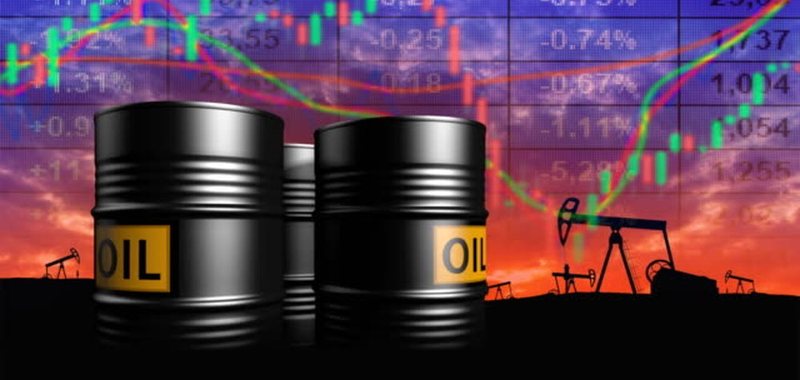
Oil price drops $5 as US and Iran move closer to peace deal
Oil prices fell more than $5 to a two-week low on Monday as optimism grew that the United States and Iran were moving closer to a peace deal, even as they......
IMF says EU must reform - "Use common debt to meet spending needs"
European Union countries will face huge bills for defense, energy and pensions in the next 15 years, the International Monetary Fund said, suggesting a......

AAPSK organizes the international conference "From Confiscation to the Public Good"
The Agency for the Administration of Sequestered and Confiscated Assets (AAPSK) organized today in Tirana the international conference on the topic “From......

Germany, record in granting citizenship - At least 309,852 people received German passports in 2025
At least 309,852 people received German passports in 2025, surpassing the 291,955 naturalizations the previous year. Germany has seen a surge in the number......