



Economy expected to expand by 3.7% in 2027/ Civici: Albania maintains growth course, despite global challenges

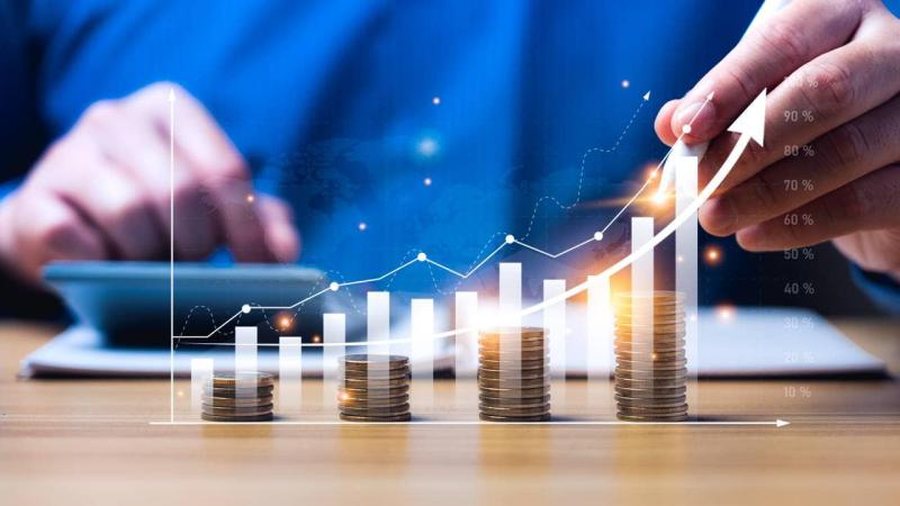
According to the latest World Bank projections, the Albanian economy will continue to grow, recording an expansion of 3.4%. This rate remains positive, although lower compared to the estimated growth of 3.8% during the previous year. The international institution emphasizes that the slight decrease in the forecast is related to the deterioration of the economic climate at the global level, influenced by geopolitical tensions and rising energy costs. However, the medium-term perspective for Albania remains optimistic, as the economy is expected to accelerate its pace in 2027 by 3.7%, while in 2028 to grow by 3.6%. Economic expert, prof.dr Adrian Civici, tells SCAN tv that the main factors that are somehow influencing this slowdown are the conflicts in the Middle East, the increase in energy prices and the uncertainty in international financial markets.
"GDP growth at the level of 3.3%-3.4%, 3.6%, or even 4% as predicted by the Albanian government, indicates an economy that is not suffering from a structural or systemic shock. It is not shining in the sense of having spectacular growth, especially in the contribution of sectors to the country's economic growth. However, there is a stable growth at these levels. It is still low for the needs that Albania has, and due to the fact that economic growth is the main element on which tax revenues, public spending, the budget itself and many other elements depend, it is still an appreciable growth" - says Professor Adrian Civici for SCAN TV.
In the Western Balkans, expectations are for a general improvement in economic activity. Unlike the region, the global outlook is more difficult. The World Bank has reduced expectations for the world economy, predicting growth of only 2.5% in 2026. The report warns that a further escalation of geopolitical tensions could have even stronger consequences for the global economy. However, experts see potential for development in artificial intelligence technologies, investments in green energy and strengthening regional trade cooperation, which could serve as new engines of economic growth in the coming decade.
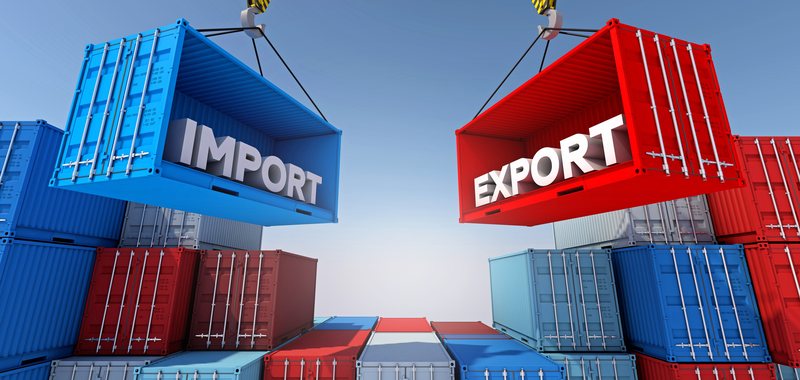
Kosova dhe Bosnja rrisin shkëmbimet me Shqipërinë/ Në pesë muaj, importet ranë më shumë me Malin e Zi dhe Maqedoninë
Shkëmbimet tregtare të Shqipërisë me vendet e Ballkanit Perëndimor vijojnë të rriten, por me ritme të ndryshme mes partnerëve. Të dhënat për pesëmujorin e......

Efforts continue for a final US-Iran deal/ Witkoff and Kushner in Switzerland for talks with Qatari mediators
A new wave of diplomatic activity is underway in Switzerland, where the possibility of resuming negotiations between the US and Iran over Tehran's nuclear......
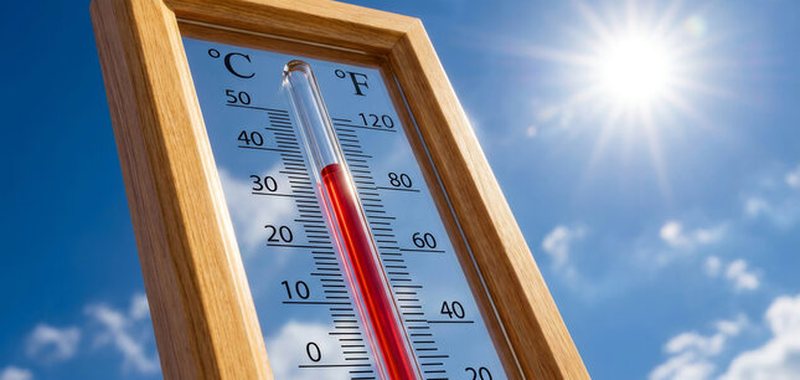
France under the 'power' of extreme heat/ Temperatures up to 40°C, schools closed, public health risk
More than 36 million people in France are facing one of the most intense heat waves of the year, with meteorological authorities issuing an orange alert for......

How will the tax be paid for unregistered properties? The law determines the cases for surfaces that are in use or units under construction
The taxpayer of the property tax will be the registered owner of the immovable property in the cadastral register or, in the absence of registration, the......
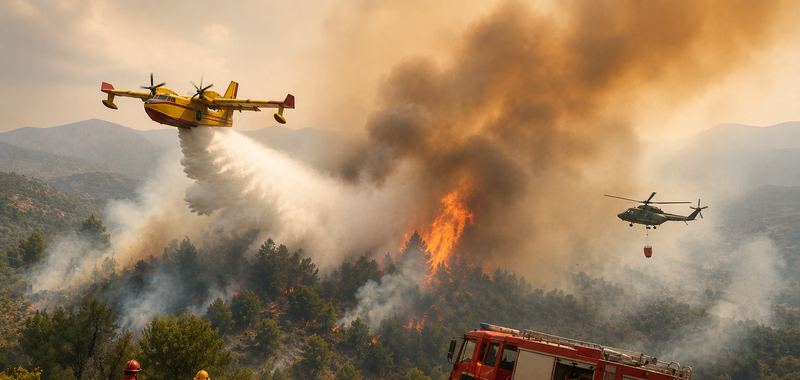
''Natural disasters, risk management priority''/ Çako: Over 2700 fires in 2025, strengthening of the protection system continues
The National Civil Protection Agency continues to strengthen the protection system through the legal framework, capacity building, investments and expansion......
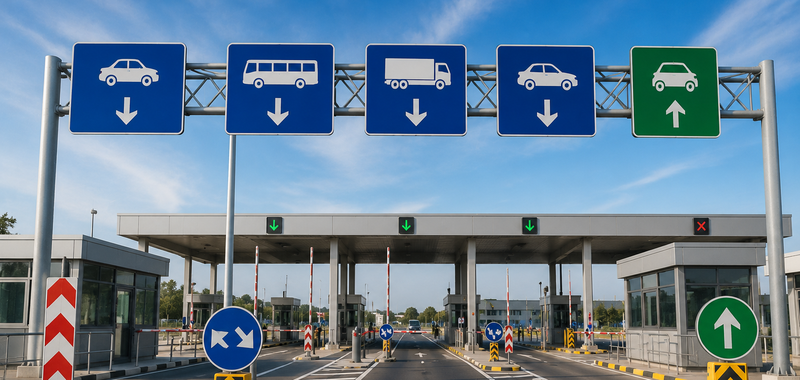
Border rules change, new signage at all points/ New standards for signs, lanes and passenger orientation
Border crossing points in Albania will operate with a new signaling and orientation system for travelers. The Council of Ministers has approved a new......
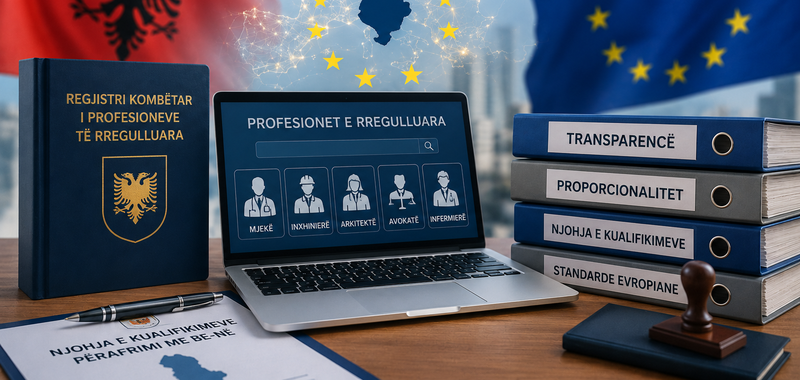
National register of regulated professions created/Recognition of qualifications, Albania aligns with the EU
Albania is preparing to reform the criteria for exercising regulated professions, as part of the European Union integration process. The Ministry of Economy......
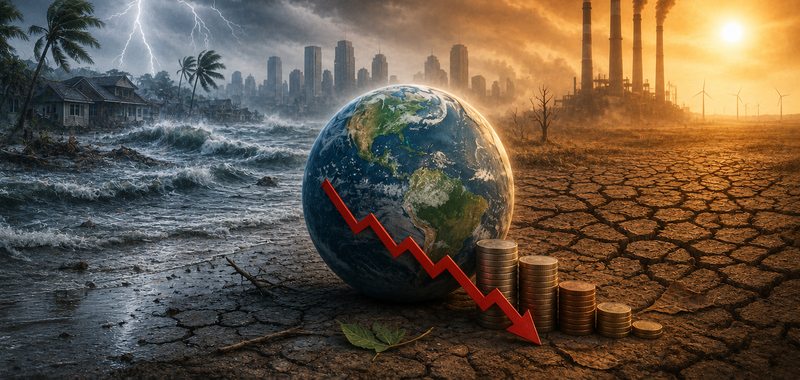
Loan losses could reach 5.4% by 2030/ How is climate threatening financial stability in Albania?
Climate change is no longer just an environmental or economic challenge. A recent study shows that its effects are increasingly extending to the Albanian......