



British Prime Minister Keir Starmer resigns - He also leaves the leadership of the Labour Party

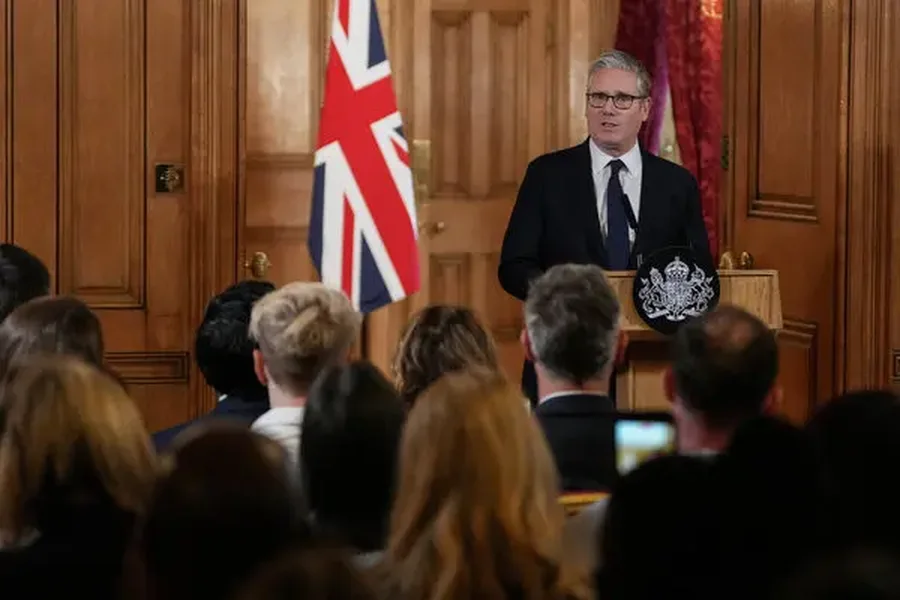
Keir Starmer has resigned as British Prime Minister and leader of the Labour Party. A new prime minister will take office until parliament returns in September, paving the way for Britain to have its seventh leader in 10 years.
Less than two years after he won a landslide election victory that promised to end the chaos in British politics, Starmer said it was clear his party wanted him out. He said nominations for whoever would replace him would open on July 9. However, his rival, Andy Burnham, is clearly the front-runner.
"The question my party is asking now is whether I am in the best position to lead it into the next general election, I have heard my parliamentary party's answer to that question and I accept that answer with courtesy," he said.
The threat to Starmer increased significantly on Friday when Burnham, the mayor of Greater Manchester, won a landslide victory in the general election to return to Westminster, defeating a candidate from Nigel Farage's Reform UK party, which has led national opinion polls for more than a year.
The victory gave Labour lawmakers hope that Burnham, a career politician known for his communications skills, could transform the fortunes of a party that has lost support under Starmer, whose popularity has fallen to its lowest level for any British leader.
Starmer thanked his colleagues for their support, his voice trembling with emotion. The pound and British government bonds remained steady immediately after Starmer's announcement, which had been widely anticipated by investors.
Apart from saying the country needs fundamental change and to lower the cost of living, Burnham has yet to make his approach to foreign affairs, the economy and defence clear. Like Starmer, he could find he has little room to manoeuvre, surrounded by bond market investors opposed to any additional borrowing and facing an angry electorate that believes the country is not working properly.
Britain already has the highest borrowing costs in the Group of Seven rich countries due to high debt and interest payments, years of weak economic growth, difficulties in cutting spending and the need to invest in areas such as defense.

Tender for the northern entrance to Tirana is ready - 138.6 million lek for the direct connection of the northern highways with the new ring road
The Albanian Road Authority has prepared the tender for the study and design of the northern entrance to Tirana, a project that aims to create a direct......
215 million euros of unpaid business obligations are hidden - Taxes: Entities, deadline until June 30 to pay only 50% of the obligation
The tax administration is normally continuing the process of unconditional forgiveness of unpaid tax liabilities until 31.12.2014. According to official......

Diplomas are losing ground in the job market - Xhihani: Employers are looking for more practical skills
For years, possessing a university degree has been considered a significant achievement, however, as the job market constantly changes, the importance of......
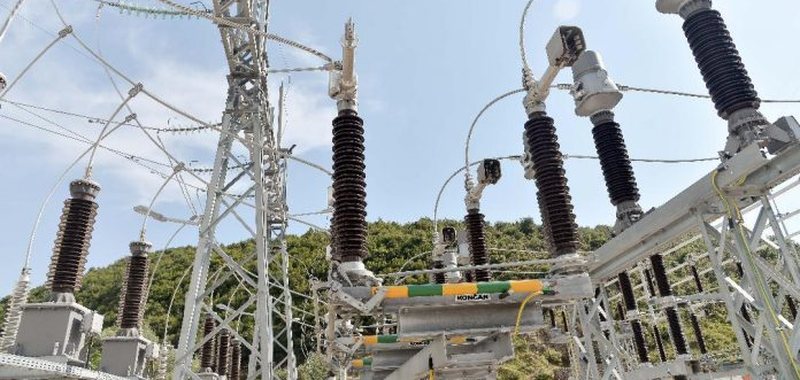
Investment for the electricity network in rural areas of Burrel - OSSH opens the competition over 213 million lek. Aiming for more security and efficiency
The Regional Directorate of OSSH Burrel has announced the opening of the procurement procedure for the project "Reconstruction of the 10 kV MV and 0.4 kV LV......

How has this week started for the major currencies?
The US dollar has started the week positively with a relatively slight increase in its value compared to the previous week, as it was bought this morning at......
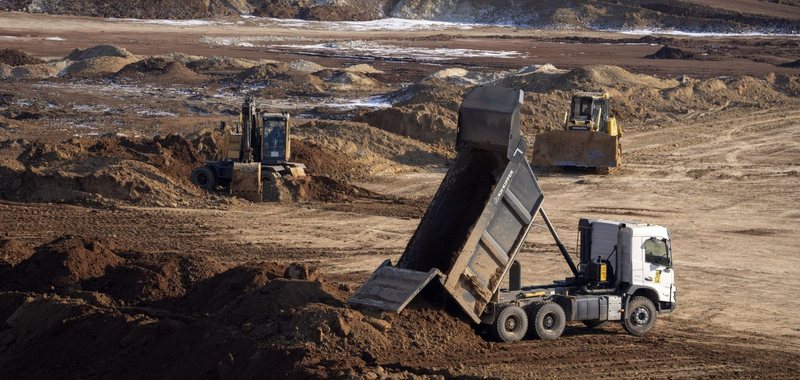
£50m in critical minerals - Britain's investment to reduce import dependency
Britain will invest 50 million pounds to boost domestic production of critical minerals, the government said on Monday, as it seeks to reduce dependence on......

Which European capitals are the most expensive? - Average rents. From 3,350 euros in Geneva, to 470 euros in Skopje
Housing is the largest household expenditure. Including utilities, it accounts for almost a quarter (23.6%) of household expenditure in the EU, according to......
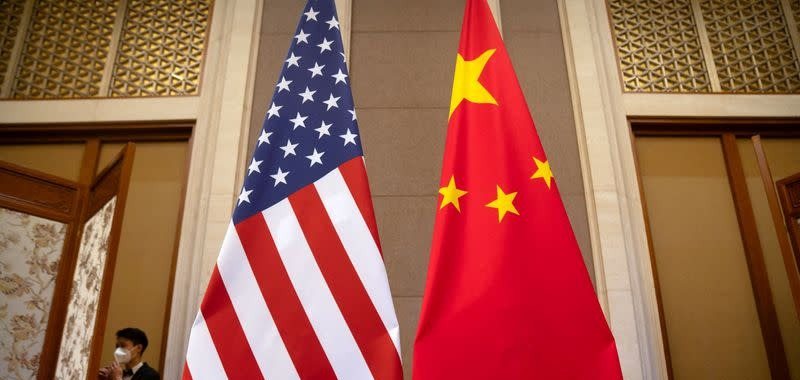
China imposes restrictions on dozens of American firms - In retaliation for the Pentagon's "blacklist"
China imposed new trade restrictions on dozens of US entities, retaliating against Washington's move to add more Chinese companies to the Pentagon's list of......