

Municipalities, over 300 euros in spending per capita - How have revenues and their distribution changed in the last decade


In a decade, municipal revenues per capita have marked significant growth and structural improvement.
Referring to the Local Finance 2025 report, in the period 2015–2025, the unconditional transfer per capita has increased by about 203%, guaranteeing financial stability and support for local self-government units.
Meanwhile, local income per capita has increased by about 395%, reflecting strengthening fiscal autonomy and improved revenue administration.
Specifically, from the unconditional transfer that goes to the fulfillment of basic services to citizens, from 2829 lek/inhabitant in 2015, in 2025 the income has reached 8567 lek/inhabitant.
While the income generated by municipalities per capita has changed from 2,684 lek in 2015 to 13,292 lek in 2025.
On the other hand, local expenditures per capita also increased by 285% over the period 2015-2025, in line with the expansion of local functions and services.
Specifically, from 7418 lekë recorded in 2015, average local expenditures per capita have reached 30,128 lekë/capita.
According to the report, overall, these developments demonstrate a progressive consolidation of local finances, creating more favorable conditions for medium-term budget planning, more efficient financial management, and more sustainable involvement in financing development projects.
The administrative-territorial reform has been accompanied by a significant increase in the local budget. Specifically, in 2015 the local budget was worth 34 billion lek, in 2025 it was worth 92.4 billion lek (including local debt expenses). This represents an increase of about 3 times the local budget over a decade. Meanwhile, in relation to the Gross Domestic Product, the local budget in 2015 accounted for 2.4% of GDP, in 2025 it reached 3.5% of GDP and together with conditional transfers it reached 5% of GDP.
The local budget, in addition to influencing the lives of citizens, is also an important engine of the economy, where its contribution to both the well-being of citizens and the gross domestic product is an essential data for the country's economy. This contribution takes various forms and is mainly related to the impact of investments in infrastructure and quality of life or employee salaries that directly affect the growth of consumption.
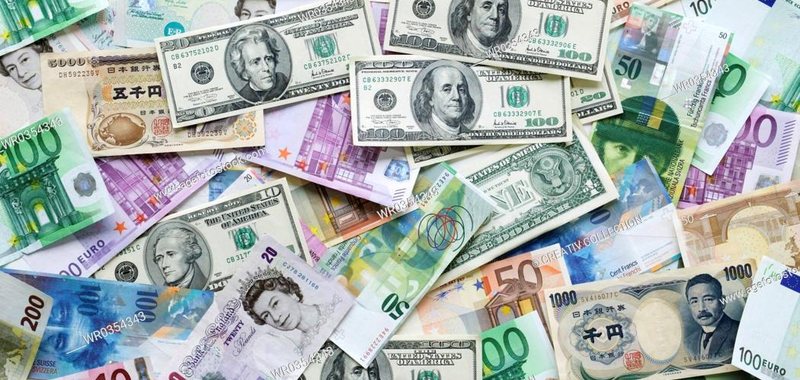
The week starts positively for the major currencies – Dollar, Franc and Pound strengthen
The US dollar has started this week positively, registering a slight increase in value over the weekend, being bought this morning at 81.2 lek and being sold......
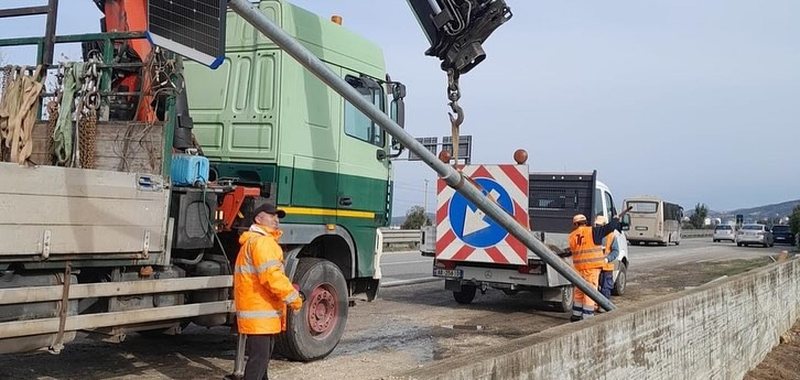
Connection of the Northeastern Ring Road with the Arbri Road - ARRSH opens the tender, complete reconstruction of the "Myslym Keta" road
The Albanian Road Authority has announced the opening of the tender for the construction and reconstruction of the Northeastern Ring Road connecting the......

AAPSK increased revenues from the rental of seized and confiscated properties by 31.7% in the first half of 2026
The Agency for the Administration of Sequestered and Confiscated Assets (AAPSK) continues to record positive results in the administration of seized and......

Oil temporarily rises to $90 per barrel - Iran vows that "not a drop of oil" will pass through Hormuz
The oil market remains volatile as the conflict between Iran and the United States has raised concerns about the disruption of shipping through the Strait of......

Shqipëria, mes shteteve me rritjen më të lartë të trafikut ajror/ 30.2% më shumë fluturime komerciale krahasuar me një vit më parë
Fluturimet komerciale në Shqipëri vijuan rritjen me ritme të larta edhe gjatë muajit qershor, duke e renditur vendin ndër performuesit më të mirë në Europë.......

How did exports change in the first half of the year? Minerals, metals and machinery offset the decline in textiles
Albanian exports closed the first half of the year with growth, but the expansion continues to rely on a limited number of commodity groups. Minerals, fuels,......

Consumption increases by 89 million euros/6 months, the budget collected 443 million euros from internal VAT
The first half of the year has closed with a significant increase in consumption in the country. Albanian citizens but also foreign tourists have shown a......

FIFA, $15 billion from the World Cup - Record revenue that exceeds expectations
FIFA is set to announce a record $15 billion in World Cup revenue, significantly exceeding its pre-tournament targets. World football's governing body had......