



Risk of a crisis in the global energy market - European Commission drafts three-point strategy

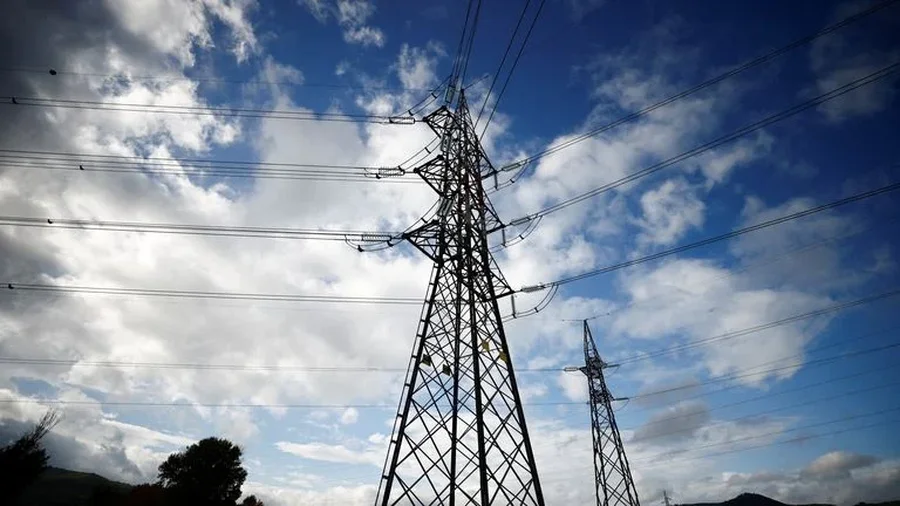
The European Commission is sending a strong warning signal about the course of the global energy market, calling it a potentially “historic” crisis. This is not an exaggeration, but rather a reflection of a complex reality, where geopolitical instability, dependence on fossil fuels and disruptions in supply chains are creating a “storm.”
The Energy Commissioner points out that Europe has already incurred over €30 billion in additional energy import costs, without a corresponding increase in supply. This reveals a deep imbalance between demand and available resources.
A critical factor in the uncertainty are strategic energy transit points, such as the Strait of Hormuz, through which a significant portion of the world's oil and natural gas passes. Any disruption to its operation could have adverse effects on global prices and supply.
However, the crisis is not just the result of cyclical developments. It also reflects structural weaknesses in the energy model. The global economy is still heavily dependent on fossil fuels, which makes it vulnerable to geopolitical shocks.
The economic consequences are already visible. Rising energy costs are being passed on directly to businesses and households, fuelling inflation and reducing the competitiveness of European industry. At the same time, the potential for shortages of critical fuels, such as jet fuel, creates additional risks for trade and transport.
For the European Union, the crisis highlights a deeper issue: energy dependence as a strategic weakness. Despite steps towards diversification after 2022, Europe remains dependent on imports in an environment of increasing international competition, particularly from Asian economies.
To respond to this challenge, Brussels is drawing up a three-pronged strategy. First, strengthening security of supply through reserves and better coordination between member states. Second, diversifying energy sources to reduce dependence on unstable regions. And third, accelerating the energy transition, with investments in renewables and electric mobility.
The message is clear: the crisis is not temporary, but reveals the limits of a global energy system in transition. And its management will determine not only Europe's economic stability but also its geopolitical position in the years to come.

The trend in the foreign exchange market changes – The Dollar weakens. The Franc and the Pound gain points!
The US dollar has reversed its upward trend that accompanied it throughout this week, recording a significant drop in value this morning compared to......
EU exports to the US shrink - Additional tariffs are the main cause
European Union exports to the United States are shrinking due to additional tariffs imposed since Donald Trump took office in 2025. In a new development,......
Airlines cut over 2 million seats - Possible reason, fear of fuel shortage
Airlines are making massive route cuts, removing around 2 million seats from their May flight schedules, the Financial Times reported, amid growing fears of......
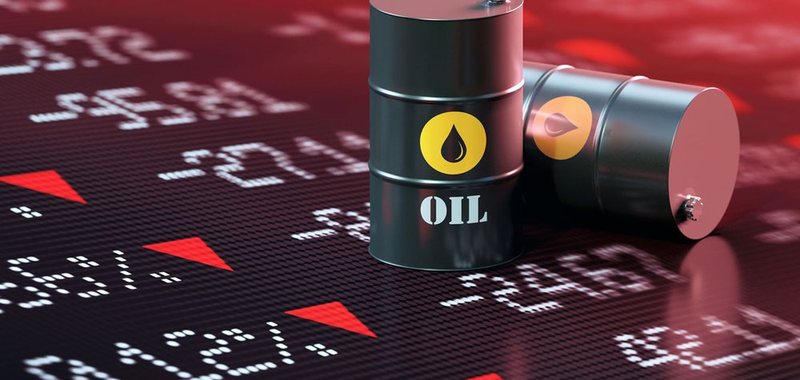
Oil prices continue to fall - Trump hints there could be a peace deal with Iran
Oil prices fell for a second day in a row on Wednesday, on expectations that dwindling supply from the main Middle East producing region could resume, after......
Solar energy, Europe's success - Grown by over 115% in 5 years. Energy system in a complex transition phase
The rise of solar power in Europe has become one of the most visible success stories of the continent's energy transition. Solar power capacity has expanded......
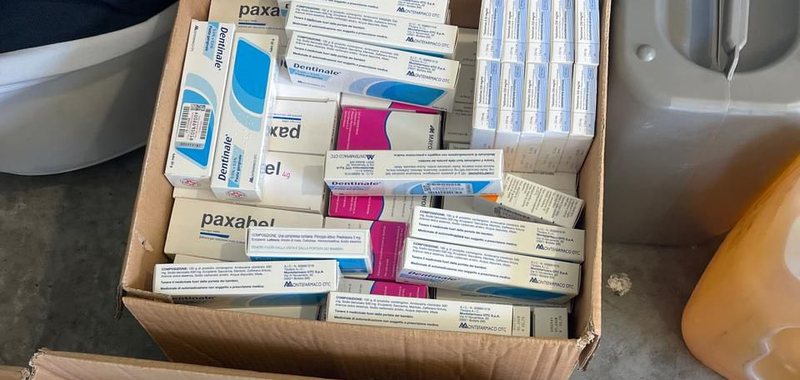
Undeclared medicines seized at the Port of Durres - The driver of the vehicle is being prosecuted
Customs structures, in cooperation with the Border Police, have cracked down on a case of illegal import of medications into Albanian territory. During the......
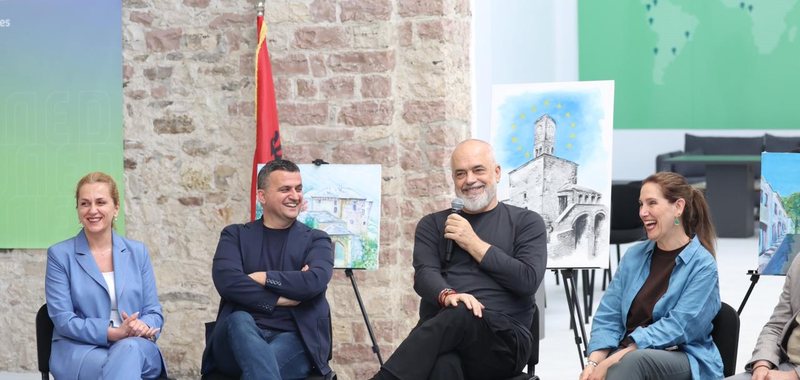
"We will intervene to increase funding", Rama to the youth of Gjirokastra: Get involved in start-up projects
Prime Minister Edi Rama, in a meeting with young people in Gjirokastra, has promised more funding for young people who engage in technology. Rama said that......
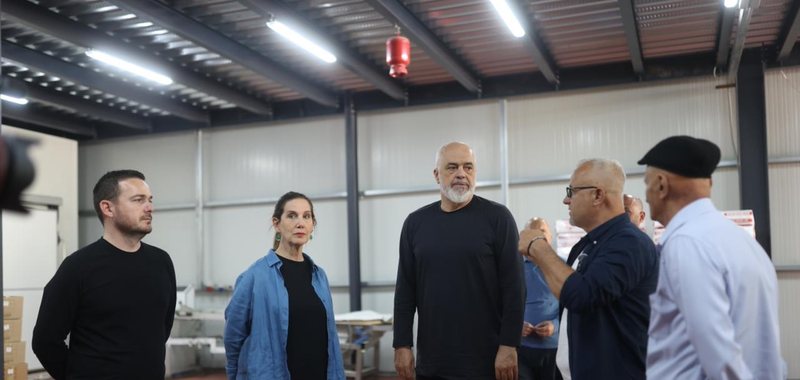
Albanian exports and innovation in agroprocessing: “Alegria” success story in Made in Albania
Many of the Albanian products "Made in Albania" have increased tenfold in recent years, thanks to the development of local companies that have become......