



EU energy mix/ Crisis pushes balance towards nuclear and renewable energy

The record disruption to global energy supplies caused by the closure of the Strait of Hormuz is the main cause of the crisis. The International Energy Agency (IEA) warned of a daily loss of approximately 13 million barrels. And in the first 17 days of the war with Iran alone, the EU was forced to spend an additional €6 billion on fossil fuel imports due to rising prices.
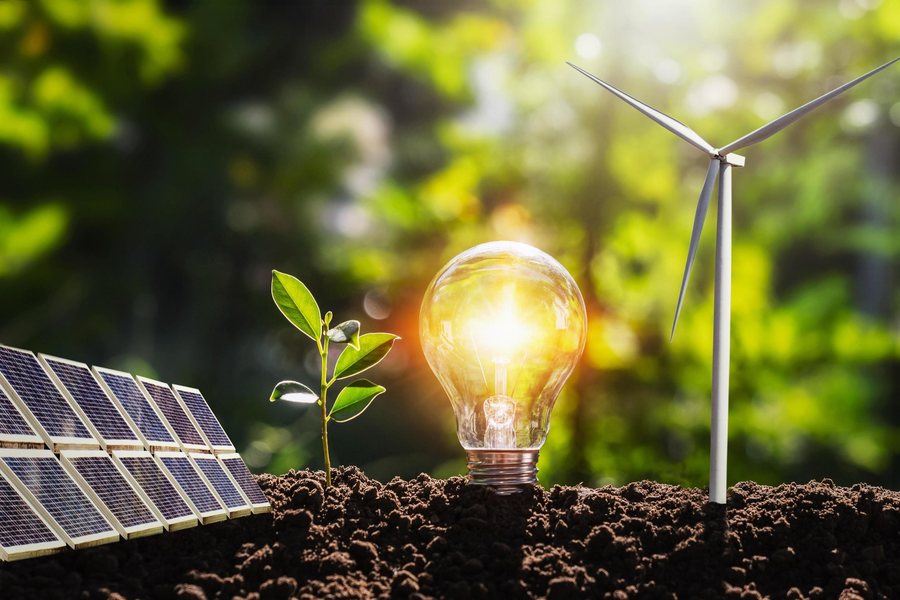
To ensure energy independence and affordability, Brussels is turning its attention back to the nuclear sector, fixing a grid that renewables alone cannot stabilize. The shift marks a transition to a strategic “energy mix,” where the reliability of nuclear baseload is being embraced as a partner to the volatility of wind and solar power.
Energy diversification and the increasing use of renewable sources led to an 11.1% drop in EU energy imports in 2025 compared to 2024. In 2025, Europe imported €336.7 billion in energy products, a 51.4% drop from 2022, when energy imports were €693.4 billion, Eurostat reveals.
By increasing domestic production of green energy, the Energy Action Plan streamlines the electrification of the industry, transport and building sectors, making electricity the dominant energy source. With the Electricity Grid Plan, Brussels wants to completely modernize the bloc's energy infrastructure.
The action plan leverages private investment through high-level events, such as the Clean Energy Transition Investment Forum in May 2026 and the Clean Energy Investment Summit later this year.
The EU welcomes energy diversification policies, including its plans for nuclear power. Nuclear is “a low-carbon and distributed energy source,” it argues, stressing that it is one of the solutions to wean itself off fossil fuels, along with renewables.
Overall, the EU is heavily dependent on nuclear power, which generated 24 percent of its electricity in 2026. Currently, it operates 98 reactors in 12 countries with around 96.2 GW of capacity, so the system is developed but limited.
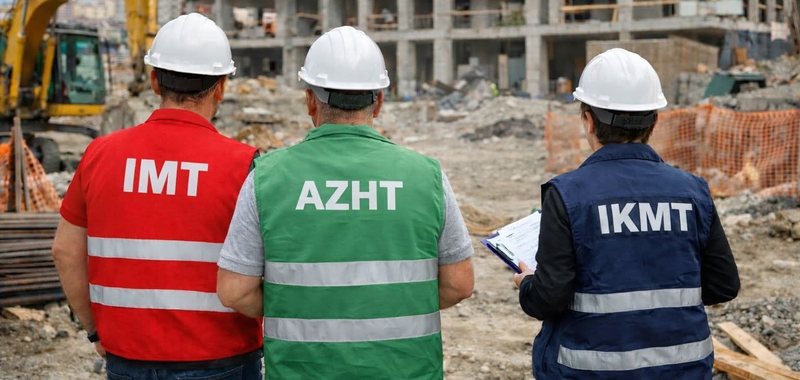
Controls and measures for safety at construction sites - IKMT: Fines and suspension of works for 65 entities
The National Inspectorate of Territorial Protection announces that 65 entities have been punished so far with fines and decisions to suspend work as part of......
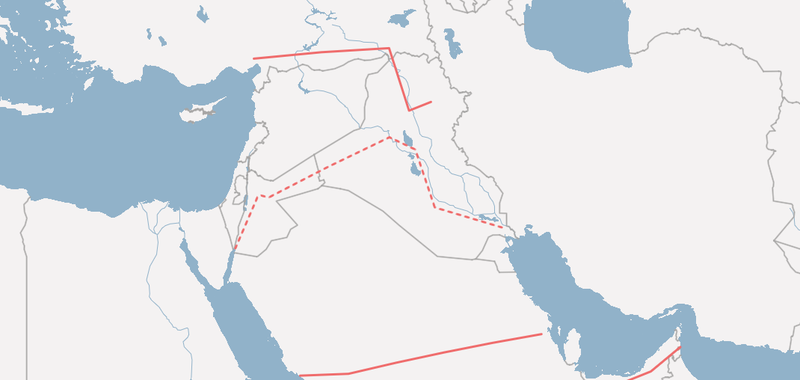
Can Hormuz be bypassed? - Gulf countries are considering major projects for this purpose
Leaders of Persian Gulf countries are moving forward with plans that would allow more of their crude oil to bypass the Strait of Hormuz entirely and help......
Oil prices rise 2% - Peace talks stalled. Strait of Hormuz still closed
Oil prices rose nearly 2% on Tuesday, extending gains from the previous session, as efforts to end the US-Iran war appear to have stalled, with the Strait of......
Businesses increase supplies for the summer season/ Imports increase for the season, ships at the highest level since 2005
Albania appears to be entering the 2026 summer season more prepared, with a significant increase in imports in several categories directly related to......
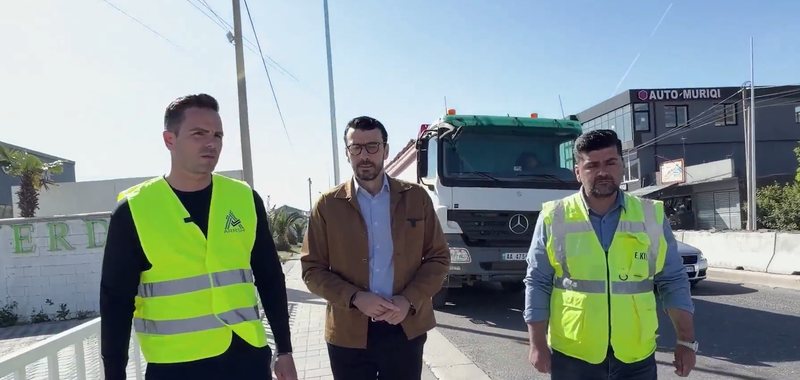
Works on the road "Kthesa e Bërdica - Ura e Bahçallëkut", Karakaçi: Asphalting to be completed by May 7
Works on the road segment "Bërdica Turn - Bahçallëkut Bridge", Shkodër, a very important axis for both the northern capital and the connection with......
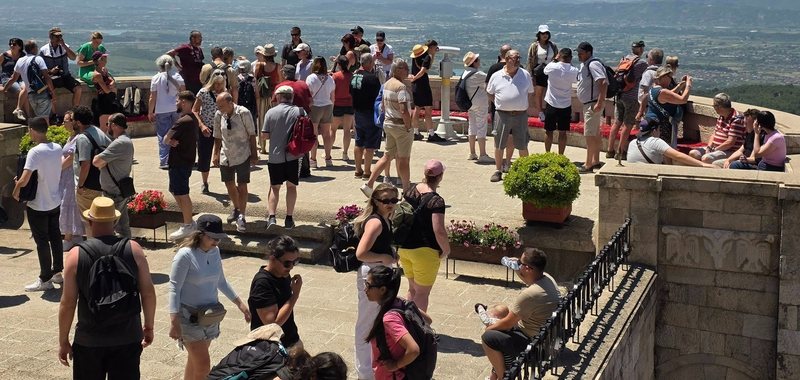
Albanian tourism facing global challenges - Hila: There is increased interest, but uncertainty about closing reservations
Tensions in the Middle East are also reshaping tourism. Europeans are now looking for other alternatives to vacation, and one of these destinations is......

Albania is going cashless - POS payments are increasing significantly. Businesses towards equipment obligation by May 30
From morning coffee to supermarket purchases, Albanians are increasingly choosing to pay by card. In the first two months alone, January-February, the number......
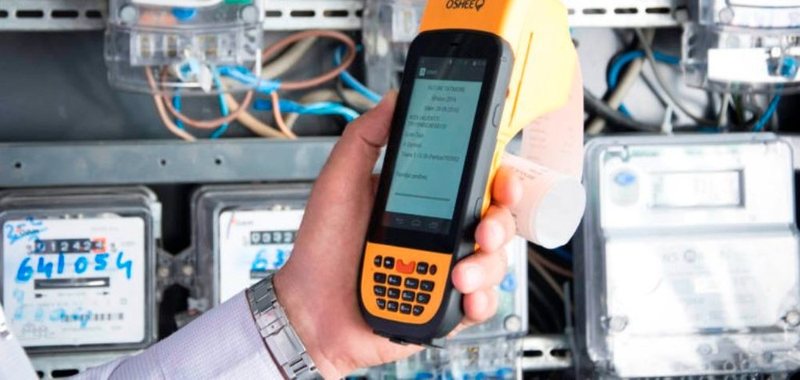
Electricity consumption increases - ERE: Caused by expansion of economic activity by businesses and demand from households
Electricity consumption in the country has increased during 2025, reflecting a moderate expansion in demand, linked to both economic activity and increased......