



What does the closure of Hormuz mean for the economy? - According to analysts, further increase in global prices is expected

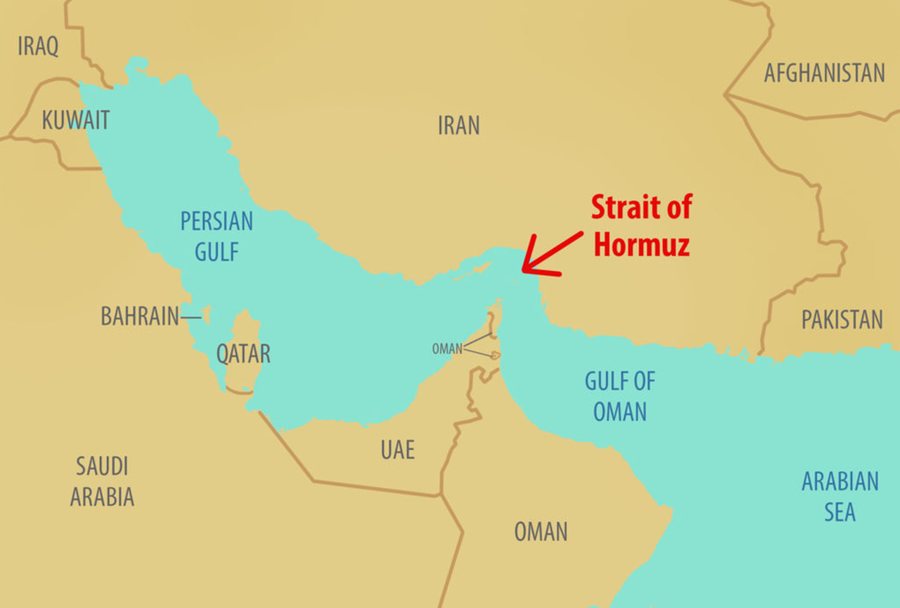
Analysts predict that if the Strait of Hormuz, a vital artery of global trade, remains virtually closed to shipping for just a week or two longer, a global energy price shock will translate into shortages of fuel, fertilizer and industrial raw materials, starting in Asia and spreading to Europe. Food prices will rise sharply.
By blocking Iran and its exports, Trump is actively contributing to a supply squeeze that threatens real economic, social, and political pain for European governments, at a time when their voters are already extremely unhappy with the cost of living.
Fossil fuel import costs in the European Union rose by more than 22 billion euros in just 44 days of conflict, European Commission President Ursula von der Leyen said on Monday.
“The Strait of Hormuz is essentially closed and, immediately, citizens are feeling the impact,” she added. “At the gas station, at the supermarket and on household bills. What we are seeing in the Middle East is not some distant crisis. But in a world where everything is connected, the effects are direct – and immediate.”
Despite 44 days of higher prices, the full economic impact of the war is set to get much worse.
US-Iran negotiations failed and Trump announced a blockade on Iran that matches Iran's own blockade of the Strait - all with no clear solution in sight.
In Europe, this means continued higher prices at the gas pump as crude oil rises back above $100 a barrel. Many European countries are also heavily dependent on gas for homes and industry, with higher costs expected to come during the winter heating season.
The painful costs could soon be accompanied by real shortages. Airports warned last week that, if the Strait remains closed for another three weeks, "systemic shortages of jet fuel will become a reality for the EU."

Russia's oil export revenues increased - It earned about $19 billion in March alone
Russia's revenues from crude oil and refined products rose in March, recovering from February when they fell to their lowest level since the start of the......

"Today, in times of development, we want you as partners" - Minister Hoxha: The shared vision should turn into cooperation
Full speech of the Minister for Europe and Foreign Affairs, Ferit Hoxha, at the Diaspora Summit Today we are not gathering simply for another meeting. As......

The insurance market consolidates its financial position - According to AFSA, "Non-Life" remains the main contributor to the result
During 2025, the insurance market has further consolidated its financial position, reflecting a significant improvement in performance compared to 2024.......
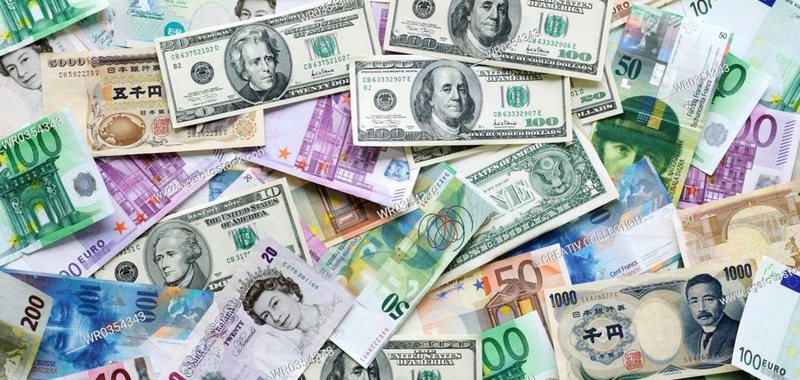
Drastic decline for the US Dollar – Franc and Pound strengthen
The US dollar has recorded a drastic drop in value this morning compared to the previous day, losing almost 1 point as it was bought today for 80.7 lek and......
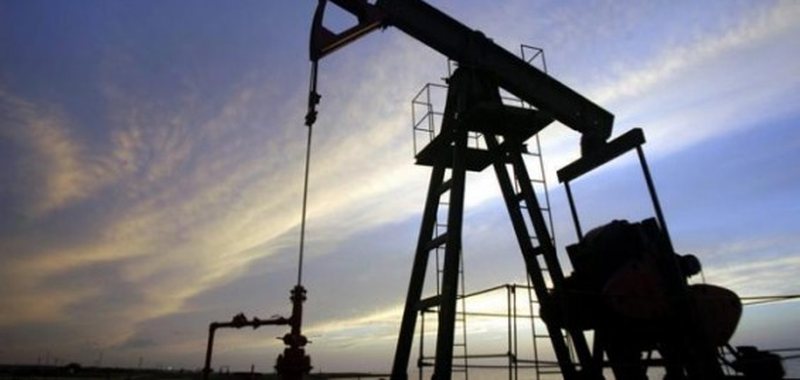
EU, more fuel subsidies - Aimed at coping with wartime price increases
The European Commission wants to allow countries to release more public money to help businesses with fuel and fertilizer bills as governments rush to offset......

Fuel shortage for aircraft warned - European Commission intervention requested to resolve the situation
Europe could face jet fuel shortages within weeks, airports body warns Europe's airport industry group has warned that the continent could face a systemic......
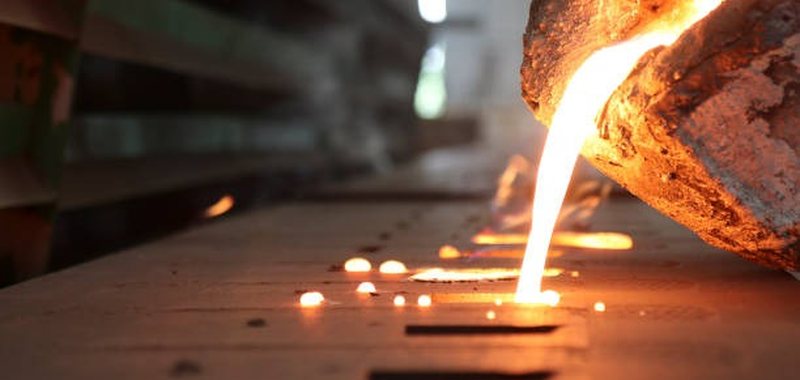
EU doubles tariffs on imported steel - Aims to protect industry from strong competition from China
The European Union is significantly strengthening its steel protection measures, after MEPs and member states decided to double customs duties on steel......
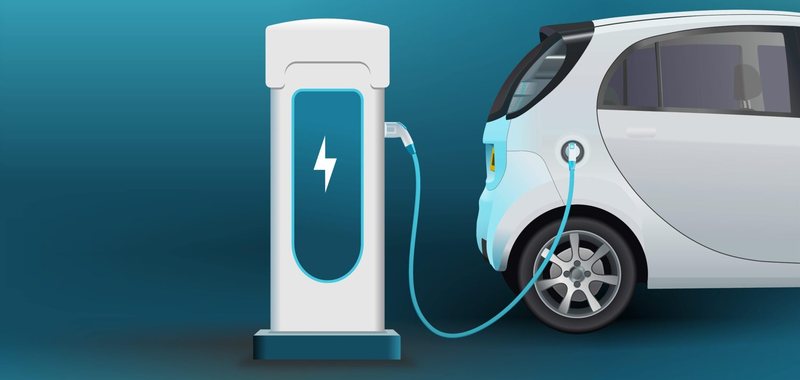
Record sales of electric cars in March - Global trend after fuel price increase
High fuel prices in Europe steered car buyers toward electric vehicles in a record March and led to the first month of global growth in electric vehicle......